loading
| Availability: | |
|---|---|
| Quantity: | |
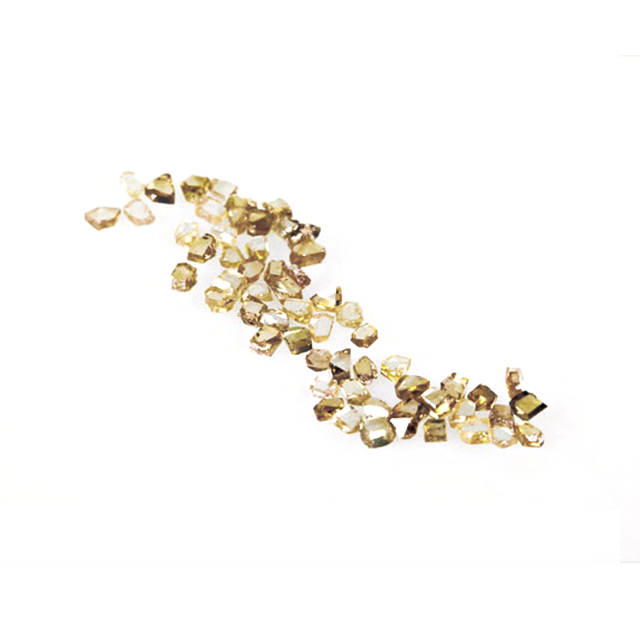
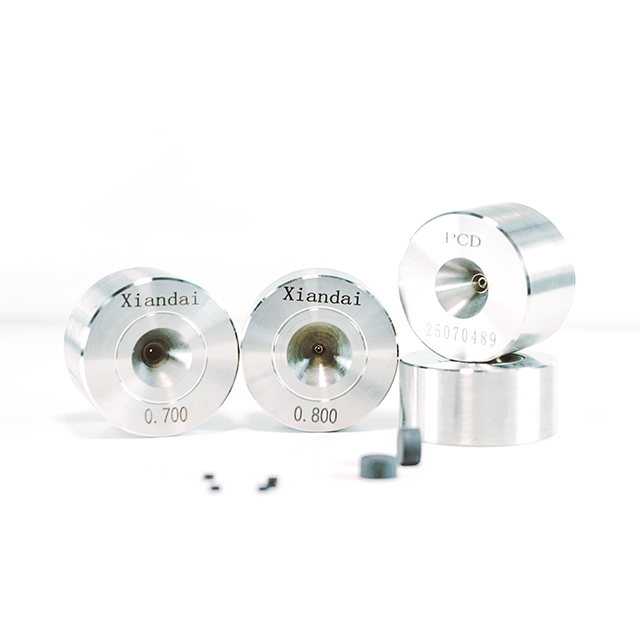
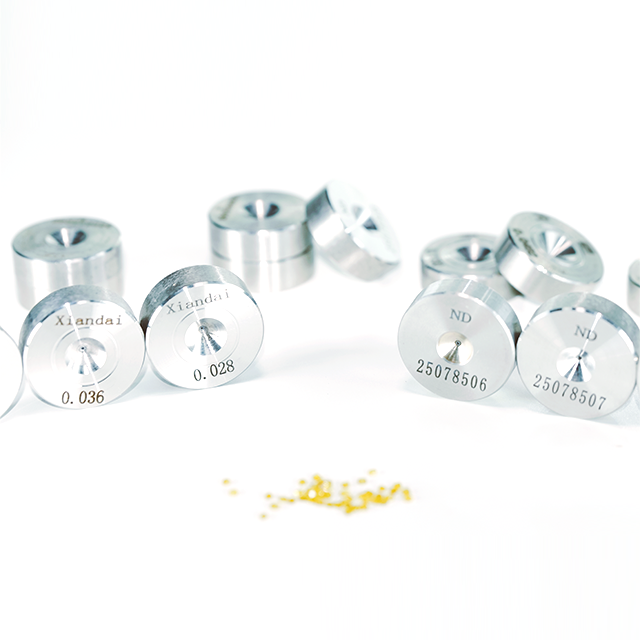
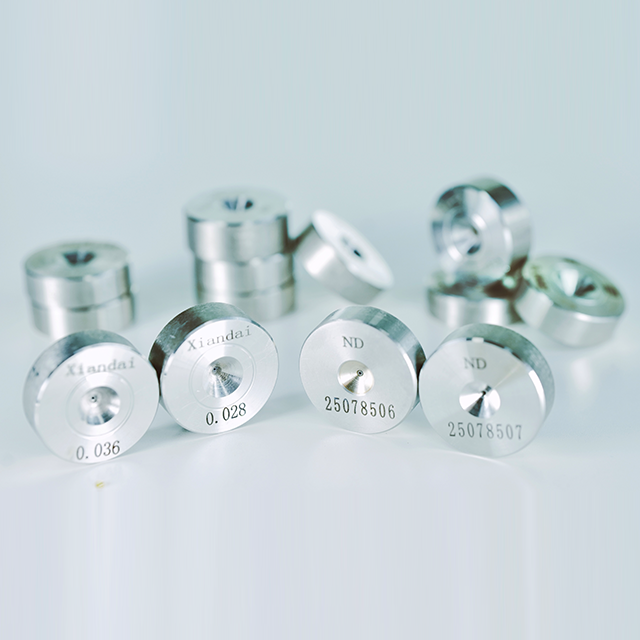
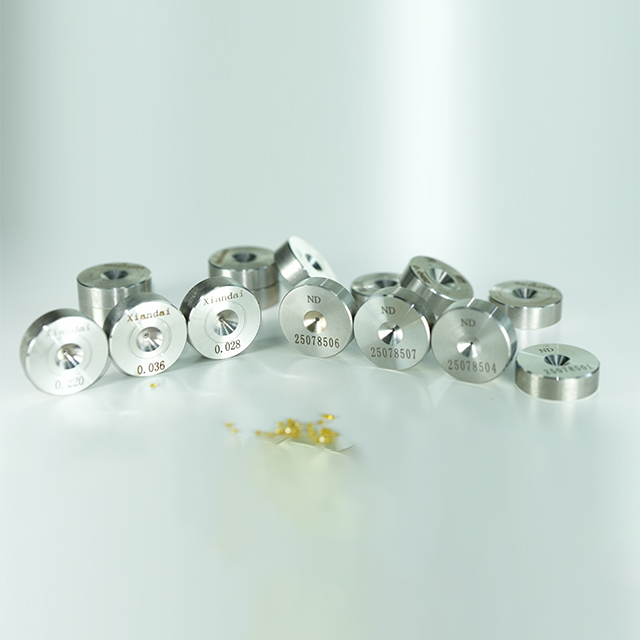
Natural Diamond Wire Drawing Dies are the gold standard for high-precision wire forming across industries that demand uncompromising quality. Each carat of diamond rough undergoes 72-step directional cutting to ensure perfect crystal orientation and stress distribution. Crafted from the purest natural diamond—nature’s hardest material with exceptional thermal conductivity—these dies redefine reliability and precision in wire drawing processes. Unlike conventional alternatives, they deliver consistent performance even when shaping the finest wires, making them indispensable for applications where dimensional accuracy and surface integrity are non-negotiable. Whether you’re producing delicate electronic components or critical medical devices, these dies ensure every wire meets the strictest standards of uniformity and quality.
Exclusive Domains
Gold/silver precious metal filaments
Electronic bonding wires (<Φ0.03mm)
Minimally invasive medical guidewires
Mold Type | Optimal Wire Range | Lifespan Index | Cost Performance | Typical Applications |
Natural Diamond Dies | Φ0.010-1.2mm | ★★★★ | ★★★ | Medical guidewires / Gold bonding wires |
PCD Dies | Φ0.03-20mm | ★★★★ | ★★★★ | Stainless steel wires / PV cutting wires |
Carbide Dies | Φ0.1-40mm | ★★ | ★★★★★ | Construction steel strands / Galvanized wires |
Nano-Coated Dies | Φ0.5-10mm | ★★★★★ | ★★★★★ | Superalloys / Copper-clad steel wires |
Single Crystal Dies | Φ0.015-1.0mm | ★★★★ | ★★★ | Semiconductor dicing / IC packaging |
In the fast-paced world of electronics, electronic bonding wires require microscopic precision to ensure reliable connections in semiconductors and IC packaging. Natural Diamond Wire Drawing Dies eliminate wire scratching with their super-mirror finish, preventing signal interference and enhancing the longevity of electronic devices. Manufacturers can trust these dies to produce wires that fit seamlessly into miniaturized circuits, supporting the development of smaller, more powerful tech products.
Minimally invasive medical procedures rely on medical guidewires that are both flexible and dimensionally stable. These natural diamond dies create guidewires with consistent diameters and smooth surfaces, reducing friction during insertion and improving patient safety. From cardiac catheters to orthopedic instruments, the dies’ precision ensures medical devices perform flawlessly in critical clinical settings.
Working with gold/silver precious metal filaments demands tools that preserve the material’s purity and luster. Natural Diamond Wire Drawing Dies minimize material waste by maintaining tight tolerances, ensuring each filament retains its value and structural integrity. Ideal for jewelry making, aerospace components, and high-end electrical contacts, these dies handle precious metals with the care and precision they deserve.
The core of these dies is high-quality natural diamond, selected for its unmatched hardness and thermal conductivity. This material resists wear even under high-pressure drawing processes, ensuring a prolonged service life compared to carbide or synthetic alternatives. The natural diamond’s inherent properties also prevent thermal damage to sensitive wires, making it perfect for processing heat-sensitive materials.
Each die undergoes a meticulous 72-step directional cutting process, optimizing crystal orientation and stress distribution. This precision engineering results in a super-mirror finish that eliminates surface imperfections, ensuring wires glide smoothly through the die without scratching or deformation. The thoughtful design also promotes uniform material flow, guaranteeing consistent wire diameters across every batch.
We understand that every wire drawing project has unique requirements. Our custom wire die design service allows you to tailor Natural Diamond Wire Drawing Dies to your specific needs. Whether you need a specific inner diameter, special surface treatment, or a design optimized for a particular material, our team of experts works closely with you to create a die that aligns with your production goals. From prototyping to large-scale production, we deliver customized solutions that enhance efficiency and product quality.
Natural diamond offers unparalleled hardness and thermal conductivity, resisting wear and heat buildup during the drawing process. This translates to longer die life, consistent wire quality, and reduced production downtime compared to other materials.
Yes, our Natural Diamond Wire Drawing Dies are versatile enough to process a wide range of wire sizes, from ultra-fine filaments to larger industrial wires. The precision design ensures consistent performance across all diameter ranges.
Start by sharing your project requirements—including wire material, diameter, and application—with our team. We’ll conduct a detailed analysis, create a custom design, and manufacture the die to your specifications. We also offer post-delivery support to ensure the die integrates seamlessly into your production line.
Eliminate costly wire drawing defects. Discover expert troubleshooting strategies for wire breakage, die wear, and lubrication to maximize uptime.
Master non-round wire production. Learn how to specify shaped wire drawing dies, optimize internal geometry, and eliminate costly scrap rates.
Stop wasting material on CNC machining. Discover how shaped wire production eliminates scrap, lowers unit costs, and boosts component strength.