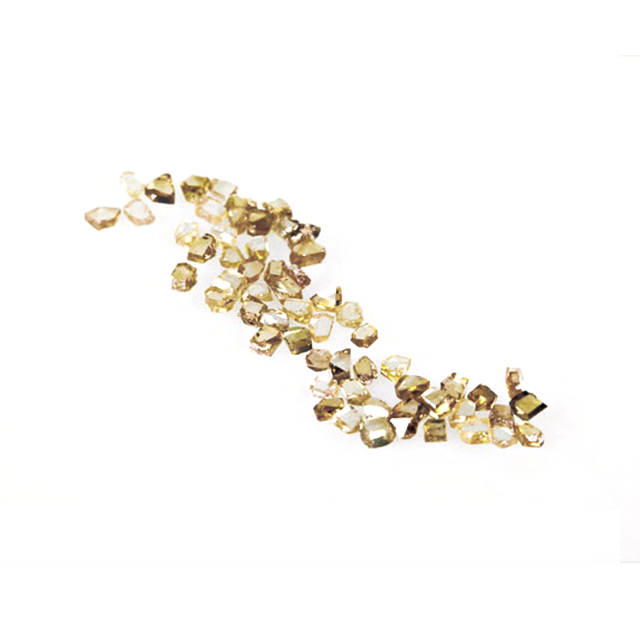
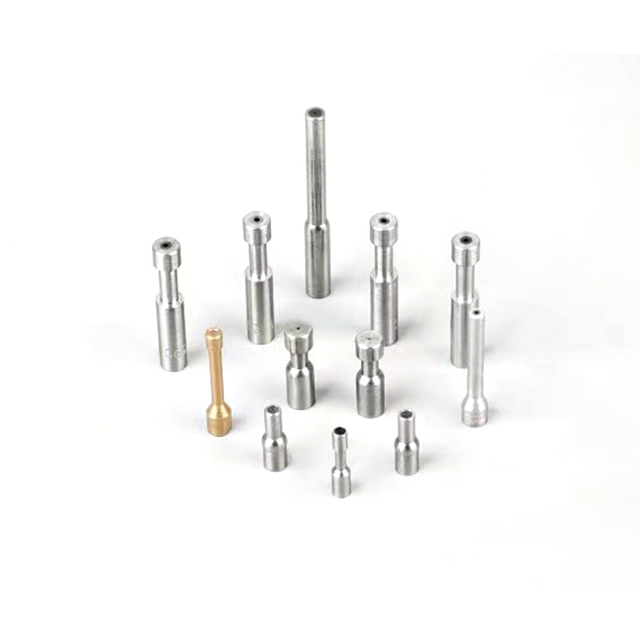
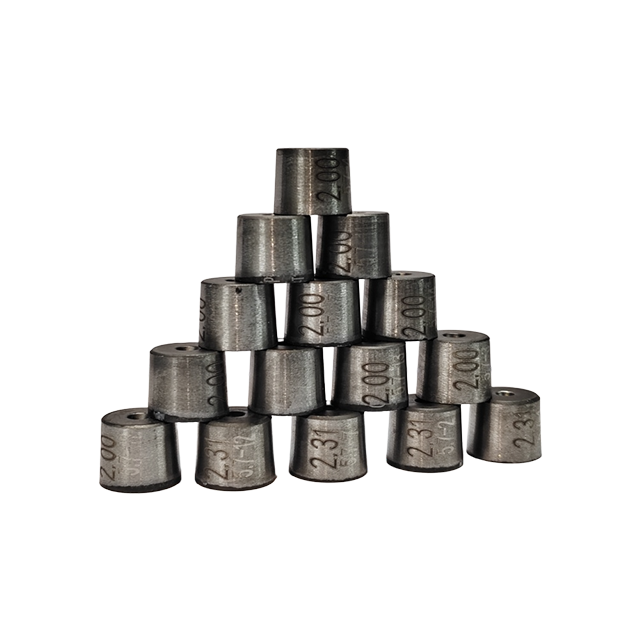
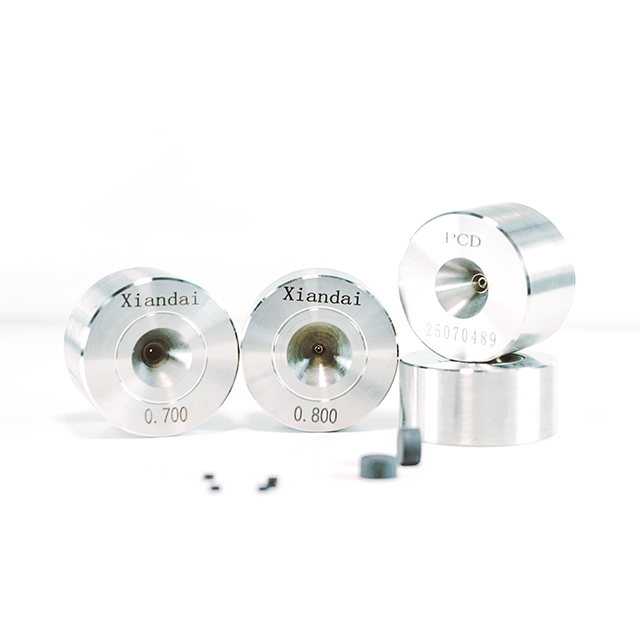
Single-Crystal Diamond Drawing Dies represent the pinnacle of precision wire drawing technology, engineered for applications where even the smallest tolerances matter. Crafted from high-quality single-crystal diamond, these dies offer unparalleled accuracy, surface finish, and durability, making them the preferred choice for advanced industries such as semiconductor manufacturing and IC packaging. Unlike multi-crystal or composite alternatives, single-crystal diamond dies feature a uniform atomic structure that eliminates internal defects, ensuring consistent wire diameter control and minimal surface roughness. Whether you’re producing ultra-fine semiconductor dicing wires or delicate IC packaging wires, these dies deliver the precision and reliability required for cutting-edge manufacturing.
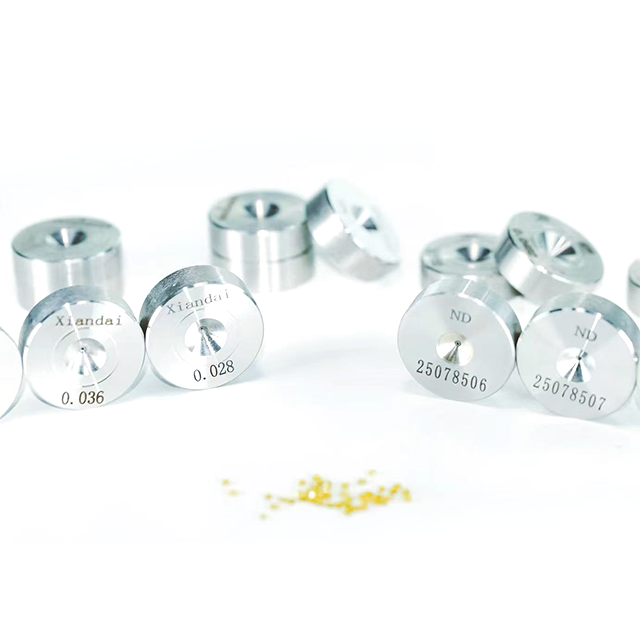
Semiconductor manufacturing demands wires with exacting diameter consistency and smooth surfaces to ensure precise dicing of silicon wafers. Single-Crystal Diamond Drawing Dies excel in producing semiconductor dicing wires with ultra-fine diameters and exceptional straightness. The die’s uniform atomic structure prevents wire irregularities, allowing for clean, precise cuts that minimize wafer damage. This precision is critical for maximizing yield in semiconductor production, where even minor wire deviations can render expensive wafers unusable.
IC packaging requires wires that can transmit electrical signals reliably while fitting within tight spatial constraints. Single-Crystal Diamond Drawing Dies produce IC packaging wires with consistent diameter and superior surface finish, ensuring optimal electrical conductivity and mechanical strength. The die’s wear resistance ensures long production runs without compromising wire quality, making it ideal for high-volume IC manufacturing. Additionally, the die’s ability to handle ultra-fine wire diameters (down to micro-scale) supports the miniaturization of electronic components, meeting the demands of modern device design.
Single-crystal diamond is selected for its exceptional hardness, thermal conductivity, and chemical inertness—properties that make it ideal for precision wire drawing. Unlike polycrystalline materials, single-crystal diamond has no grain boundaries, eliminating potential points of wear or defect. This ensures the die’s working surface remains smooth and precise over time, delivering consistent wire quality. The material’s thermal conductivity also dissipates heat generated during drawing, preventing wire deformation and extending the die’s lifespan.
Single-Crystal Diamond Drawing Dies feature a meticulously designed die hole with a tapered entry, working zone, and exit—optimized to reduce friction and minimize wire stress. The working zone is polished to a mirror finish, ensuring the wire glides smoothly through the die without surface damage. The die’s geometry is tailored to specific wire diameters and materials, ensuring optimal pressure distribution and reducing the risk of wire breakage. This precision engineering makes the dies suitable for ultra-fine wire drawing, where even minor deviations in geometry can affect performance.
Mold Type | Optimal Wire Range | Lifespan Index | Cost Performance | Typical Applications |
Natural Diamond Dies | Φ0.010-1.2mm | ★★★★ | ★★★ | Medical guidewires / Gold bonding wires |
PCD Dies | Φ0.03-20mm | ★★★★ | ★★★★ | Stainless steel wires / PV cutting wires |
Carbide Dies | Φ0.1-40mm | ★★ | ★★★★★ | Construction steel strands / Galvanized wires |
Nano-Coated Dies | Φ0.5-10mm | ★★★★★ | ★★★★★ | Superalloys / Copper-clad steel wires |
Single Crystal Dies | Φ0.015-1.0mm | ★★★★ | ★★★ | Semiconductor dicing / IC packaging |
We recognize that advanced manufacturing applications require tailored solutions, which is why we offer comprehensive custom single-crystal diamond drawing dies services. Our engineering team collaborates with clients to define exact specifications, including wire diameter range, tolerance requirements, surface finish, and material compatibility. Whether you need a die for semiconductor dicing wires with micro-scale diameters or IC packaging wires with specific conductivity needs, we can customize the die’s hole size, shape, and polish to meet your unique requirements. We also provide post-production testing to ensure the die meets your performance standards, guaranteeing seamless integration into your production process.
Single-crystal diamond dies offer superior precision and surface finish due to their uniform atomic structure, making them ideal for ultra-fine wires in semiconductor and IC applications. They also have higher wear resistance than carbide dies and better dimensional stability than PCD dies, though they are optimized for specific high-precision use cases.
Yes, single-crystal diamond’s excellent thermal conductivity allows it to dissipate heat efficiently, making it suitable for high-temperature wire drawing processes. The material’s thermal stability prevents deformation or damage to the die, ensuring consistent performance even under elevated temperatures.
Single-Crystal Diamond Drawing Dies are compatible with a wide range of materials, including copper, gold, silver, and various alloy wires used in semiconductor and electronic applications. They are particularly effective for processing soft or delicate wires that require minimal surface damage.
To maximize lifespan, clean the die regularly with a non-abrasive solvent to remove debris and wire residue. Avoid using harsh chemicals or abrasive tools that can scratch the die’s surface. Store the die in a dry, dust-free environment when not in use, and schedule periodic inspections to check for wear or damage. Our team can provide detailed maintenance guidelines tailored to your specific application.