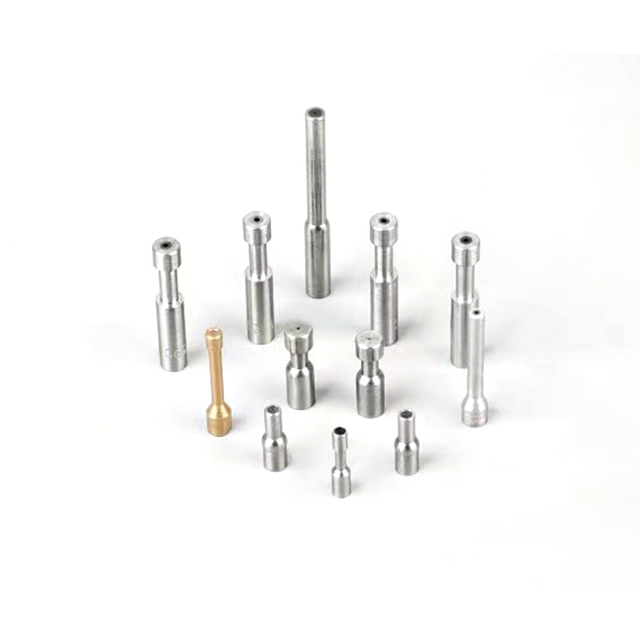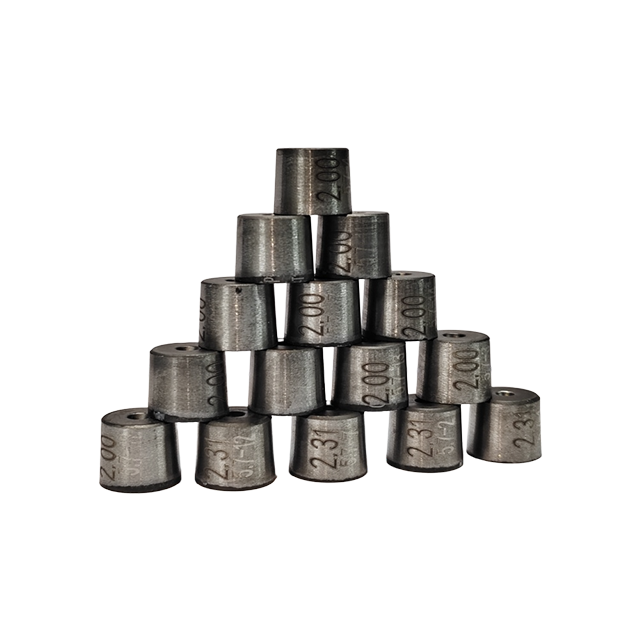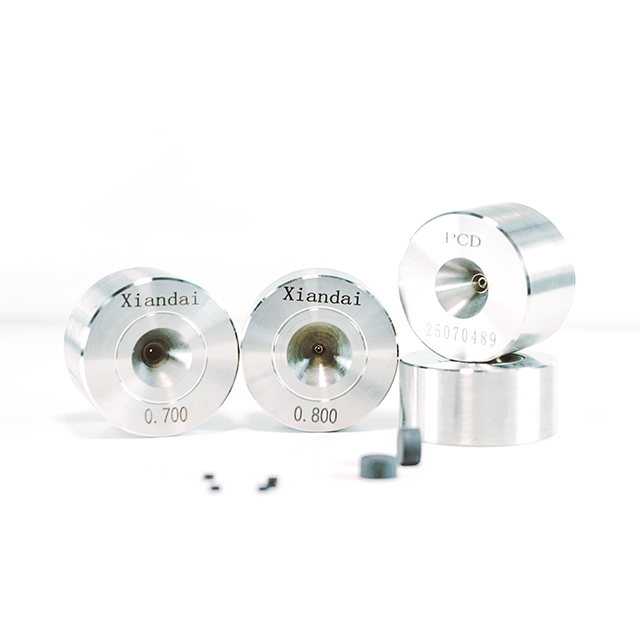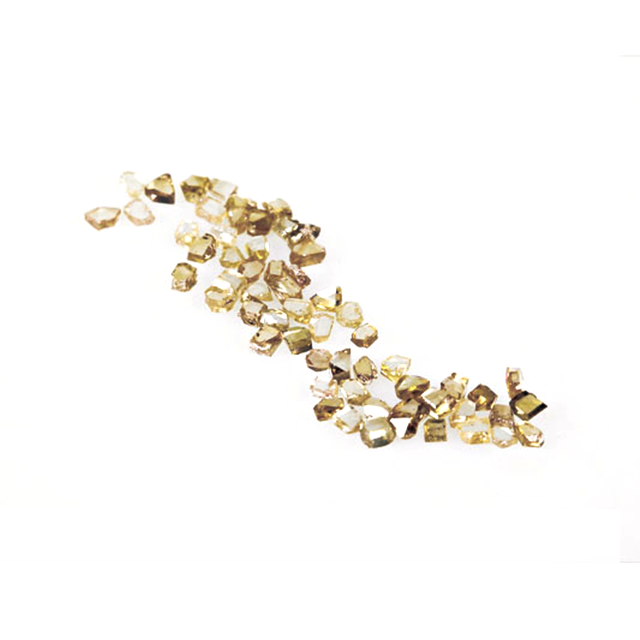
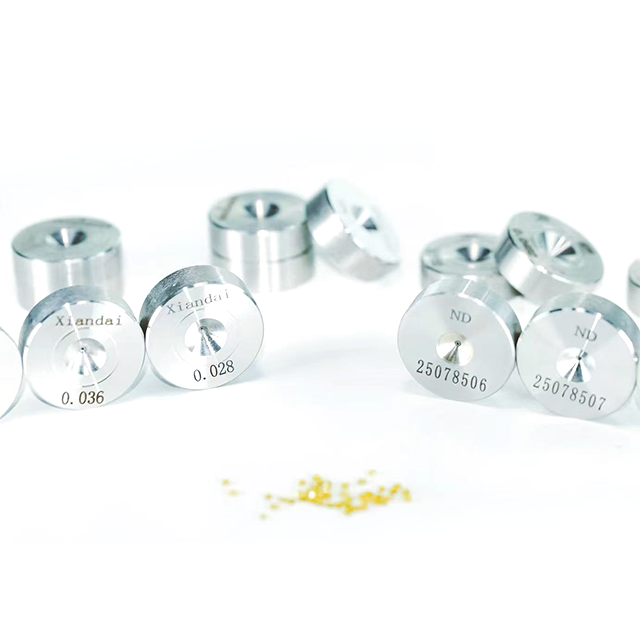


Broad-Sense Diamond Wire Drawing Dies stand as the gold standard in wire drawing technology, integrating two high-performance variants: natural diamond dies and polycrystalline diamond (PCD) dies. These dies are engineered to redefine precision and durability in wire manufacturing, catering to diverse industrial needs from ultra-fine micro-filaments to robust hard wires. Unlike conventional alternatives, they leverage the inherent properties of diamond—nature’s hardest material—to deliver unmatched consistency, minimal wear, and superior wire surface finish. Whether you’re producing delicate medical components or heavy-duty industrial wires, these diamond wire drawing dies ensure optimal performance across every application, making them a cornerstone for industries prioritizing quality and efficiency.
In the medical field, precision is non-negotiable—even the smallest deviation can compromise patient safety. Broad-Sense Diamond Wire Drawing Dies excel in producing medical guidewires with ultra-fine diameters and exceptional straightness. The natural diamond variant’s ability to handle micro-filaments ensures guidewires glide smoothly through intricate anatomical pathways, while maintaining structural integrity under repeated use. Additionally, for gold bonding wires used in medical electronics, these dies deliver consistent diameter control, ensuring reliable electrical conductivity and biocompatibility.
For industries manufacturing stainless steel wires and PV cutting wires, the PCD variant of these diamond dies is a game-changer. Stainless steel and titanium alloy wires demand high impact resistance during drawing, and PCD’s robust structure withstands the stress of hard wire processing without compromising precision. PV cutting wires, critical for solar panel manufacturing, require uniform thickness to ensure clean, efficient slicing—Broad-Sense Diamond Wire Drawing Dies deliver exactly that, reducing material waste and boosting production throughput.
Natural diamond dies are crafted from high-purity diamond crystals, selected for their exceptional hardness and thermal stability. The design features a precision-engineered die hole with ultra-smooth internal surfaces, minimizing friction between the die and wire. This reduces wire surface defects, such as scratches or irregularities, and extends the die’s lifespan even under continuous use. The material’s resistance to wear ensures consistent performance, eliminating the need for frequent replacements that disrupt production.
PCD dies are manufactured by sintering diamond particles with a metallic binder, creating a material that balances hardness with toughness. The design incorporates a reinforced working layer that absorbs impact, making it ideal for processing hard wires like stainless steel or titanium alloy. Unlike single-material dies, PCD’s composite structure prevents chipping or cracking, even when handling high-tension wire drawing. The die’s design also optimizes heat dissipation, preventing thermal damage to both the die and the wire, ensuring consistent quality across large production runs.
Mold Type | Optimal Wire Range | Lifespan Index | Cost Performance | Typical Applications |
Natural Diamond Dies | Φ0.010-1.2mm | ★★★★ | ★★★ | Medical guidewires / Gold bonding wires |
PCD Dies | Φ0.03-20mm | ★★★★ | ★★★★ | Stainless steel wires / PV cutting wires |
Carbide Dies | Φ0.1-40mm | ★★ | ★★★★★ | Construction steel strands / Galvanized wires |
Nano-Coated Dies | Φ0.5-10mm | ★★★★★ | ★★★★★ | Superalloys / Copper-clad steel wires |
Single Crystal Dies | Φ0.015-1.0mm | ★★★★ | ★★★ | Semiconductor dicing / IC packaging |
We understand that every wire processing project has unique requirements, which is why we offer tailored custom diamond wire drawing dies services. Our team works closely with clients to determine specific parameters, including wire diameter range, material compatibility, and surface finish expectations. Whether you need a natural diamond die for ultra-fine micro-filaments or a PCD die for heavy-duty industrial wires, we can adjust the die’s design, hole geometry, and material composition to meet your exact needs. We also provide custom coating options to enhance wear resistance or reduce friction for specialized applications, ensuring your die delivers optimal performance for your unique workflow.
Natural diamond dies are best for ultra-precision micro-filament processing (such as medical guidewires and gold bonding wires) due to their superior surface finish and precision. PCD dies offer higher impact resistance, making them ideal for hard wires like stainless steel and PV cutting wires, balancing durability and cost-effectiveness.
While Broad-Sense Diamond Wire Drawing Dies are primarily designed for metallic wires (including steel, gold, and titanium alloy), they can be customized to process certain non-metallic materials with similar properties. Contact our team to discuss your specific wire material for tailored recommendations.
The lifespan depends on factors like wire material, drawing speed, and pressure, but diamond dies outperform conventional carbide dies by a significant margin. Natural diamond and PCD dies offer exceptional wear resistance, ensuring long service life even in high-volume production environments. Regular maintenance, such as cleaning and inspection, can further extend their lifespan.
Yes, we offer comprehensive technical support to ensure seamless integration of our diamond wire drawing dies into your production line. Our team provides guidance on installation, operating parameters, and maintenance best practices, helping you maximize the die’s performance and lifespan.