Views: 0 Author: Site Editor Publish Time: 2026-02-26 Origin: Site
Tungsten Carbide is known for its extreme hardness and durability—but what is in tungsten carbide that gives it these powerful properties? Understanding its composition is the key to understanding its performance. Made primarily from tungsten and carbon, and often combined with binders like cobalt, tungsten carbide materials are engineered for strength and wear resistance. In this guide, we’ll break down exactly what tungsten carbide is made of and how each component contributes to its performance.
Tungsten carbide was first made in Germany in 1893. Early attempts produced extremely hard but brittle material. It could break under stress, so it wasn’t practical.
Then, Karl Schroter developed the powder metallurgy method in the 1920s. He found that adding a small amount of metals like cobalt or nickel allowed tungsten carbide to resist cracking while keeping its hardness.
Over decades, the material evolved. Today, we have cemented tungsten carbide that’s tough, wear-resistant, and reliable for industrial use. They use it in tools, wear parts, and precision components worldwide.
Tungsten carbide is more than industrial metal. Its composition gives it incredible durability, making it a staple in cutting tools, abrasives, and wear-resistant parts.
We also see it in everyday items:
Ballpoint pens: smooth writing, long-lasting tips
Surgical instruments: sharp, precise, durable
Jewelry: rings and accessories, scratch-resistant and bright
Industries rely on tungsten carbide materials because they reduce downtime, improve efficiency, and last longer than many metals or ceramics.
Its balance of hardness and toughness makes it one of the most versatile materials for high-performance applications.
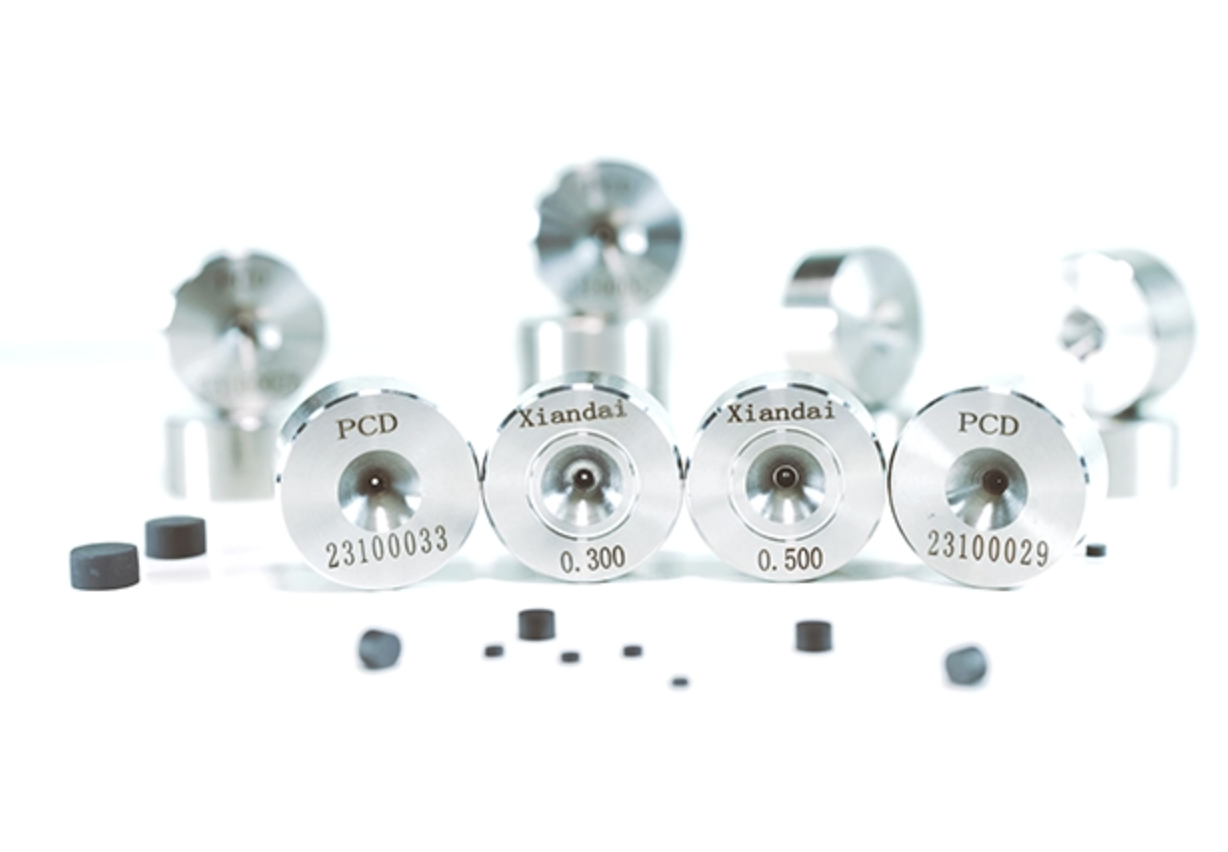
Tungsten carbide mainly contains tungsten metal and carbon. Tungsten provides density, heat resistance, and corrosion resistance, making it a strong backbone for the material. Carbon increases hardness dramatically, almost reaching diamond-level strength.
Many industrial grades also include small amounts of binders like cobalt, nickel, or titanium. They reduce brittleness and add toughness, helping the material handle stress without cracking.
Tungsten (W): dense, corrosion-resistant
Carbon : hardness enhancer
Binders: cobalt, nickel, titanium
| Component | Function | Notes |
|---|---|---|
| Tungsten | Density, corrosion resistance | Forms the lattice structure |
| Carbon | Hardness | Occupies interstitial sites |
| Cobalt/Nickel | Toughness, machinability | Typically 5–15% in cemented carbide |
Carbon atoms don’t replace tungsten—they fit in the tiny gaps of the tungsten lattice. This arrangement is called an interstitial solid solution. By doing so, carbon strengthens the structure without destroying the metallic lattice. It gives tungsten carbide a ceramic-level hardness while keeping metallic properties like toughness and conductivity.
We can imagine the lattice as a metal skeleton, with carbon atoms filling spaces to make it extremely hard but still workable.
Most tungsten carbide products aren’t pure. They use ultra-fine WC grains held together by a binder, usually cobalt. This combination improves toughness and wear resistance while making machining easier.
Toughness: reduces cracking under stress
Wear resistance: extends life in cutting tools, drills, abrasives
Machinability: allows precise shaping without excessive breakage
Typical compositions vary, but 5–15% cobalt is common. Higher cobalt increases toughness but slightly lowers hardness. Lower cobalt keeps extreme hardness but makes the material more brittle.
Solid tungsten carbide is generally considered stable and safe in finished form. It does not easily dissolve in water. It does not react under normal conditions. In everyday use, such as tools or jewelry, it does not release harmful substances.
However, safety depends on the form:
| Form | Safety Level | Notes |
|---|---|---|
| Solid tungsten carbide | Safe | Stable, non-reactive |
| Tungsten carbide dust | Requires protection | Inhalation risk in factories |
| Powder during manufacturing | Controlled handling needed | Industrial safety rules apply |
In manufacturing settings, fine dust can be hazardous if inhaled over long periods. Workers use ventilation systems and protective masks. For consumers, finished products pose minimal risk.
Yes, it is widely used in rings and watches. It is scratch-resistant and maintains shine for years. Most tungsten carbide jewelry contains a small amount of cobalt or nickel as a binder. These metals are locked inside the structure. They normally do not touch the skin.
For people with metal allergies, it is better to choose:
Nickel-free grades
Cobalt-controlled formulations
Medical-grade tungsten carbide
Many brands now offer hypoallergenic versions. We recommend checking product specifications before buying.
Some grades do. Cemented tungsten carbide often includes 5–15% cobalt. Nickel may also be used in certain industrial formulations. In solid form, these binders are tightly bonded inside the material. They do not easily leach out. Still, in rare cases, individuals sensitive to cobalt may prefer alternative binder types.
It is extremely hard but can be brittle under extreme impact. In rare cases, a ring may crack if dropped on a hard surface. It does not bend like gold or steel. Instead, it may fracture. This behavior is related to its ceramic-like structure.
It is long-lasting and recyclable. Scrap carbide can be reclaimed and reused in new production. Because it lasts so long, fewer replacements are needed. This reduces material waste over time.
Safety depends on composition, form, and usage conditions. In daily life, solid tungsten carbide products are generally considered safe. In industrial settings, proper handling ensures worker protection.
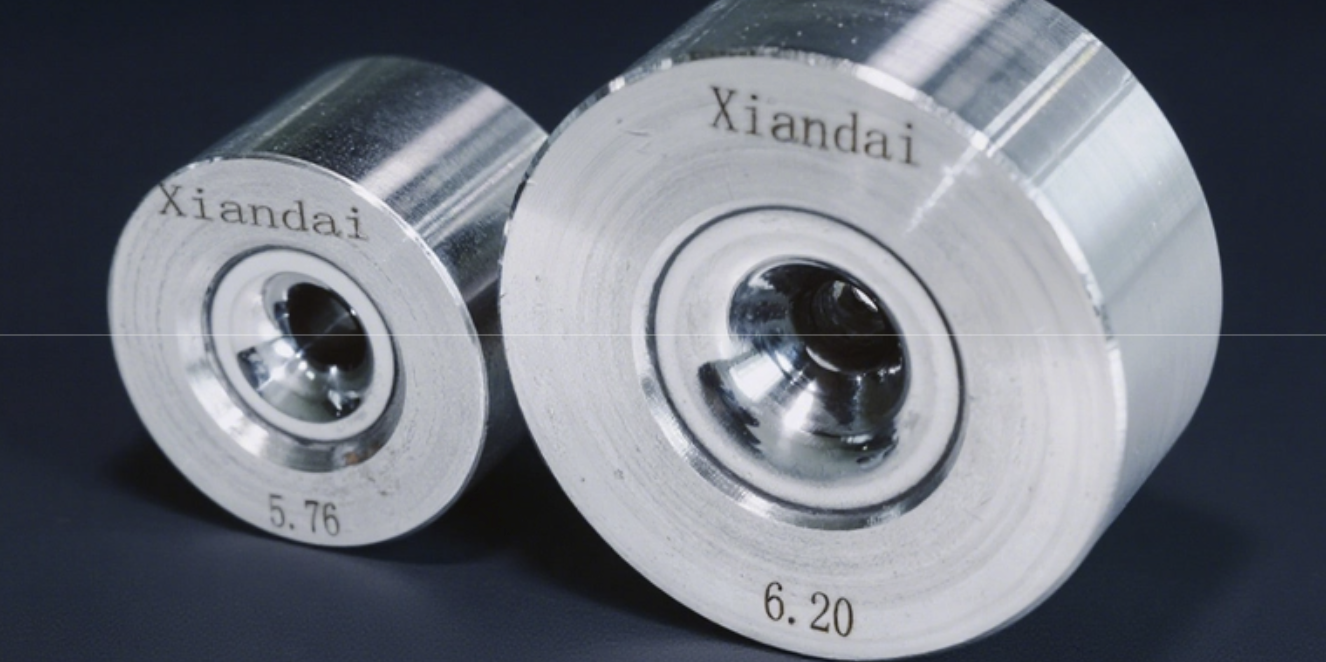
When we ask what is in tungsten carbide, we also need to ask why it performs so well. Its internal composition gives it a rare mix of strength, hardness, and durability. Let’s break down the main advantages.
Tungsten carbide performs well under heat. It keeps strength at high temperatures where ordinary metals soften. Its melting point exceeds 2700°C. It maintains structure during cutting or drilling operations.
Here is a quick comparison:
| Material | Heat Resistance | Hardness Retention |
|---|---|---|
| Carbon Steel | Moderate | Drops quickly |
| Tool Steel | Good | Drops at high heat |
| Tungsten Carbide | Excellent | Remains stable |
Because of this, it works well in high-speed machining and hot environments.
Durability means fewer breakdowns. Machines stay running longer. When tools last longer, we reduce maintenance stops. Production becomes more efficient. Companies value tungsten carbide materials because they lower total operating costs over time. Even if the upfront cost is higher, they often save money in the long run.
Pure tungsten carbide can be brittle. Engineers solve this by adding binders like cobalt or nickel. By adjusting binder content, they control toughness and hardness.
| Cobalt Content | Resulting Property |
|---|---|
| 5–6% | Very hard, less tough |
| 8–12% | Balanced hardness and toughness |
| 15%+ | More impact resistance |
This flexibility makes tungsten carbide suitable for many industries. We can design it for cutting precision or impact resistance.
A: Tungsten carbide is made from tungsten (W) and carbon ©, forming the compound WC. In most industrial grades, ultra-fine WC grains are bonded using a small amount of cobalt or nickel. This creates cemented tungsten carbide, which improves strength and durability.
A: It is a metal-ceramic hybrid. It combines metallic toughness and conductivity with ceramic-level hardness and wear resistance.
A: Cobalt acts as a binder. It improves toughness, reduces brittleness, and helps prevent cracking under stress.
A: It has strong corrosion resistance. It does not rust easily under normal conditions, though extreme environments may affect binder metals.
A: Tungsten carbide is much harder than steel and close to diamond in hardness, though not as hard as natural diamond.
Now that you understand what is in tungsten carbide, you can see why this material stands out in demanding applications. Its balanced composition delivers exceptional hardness, heat resistance, and long service life. Whether used in cutting tools, precision components, or wear parts, tungsten carbide continues to outperform many traditional materials.
At NJ-ModernDiamond Co., Ltd., we specialize in high-quality tungsten carbide solutions tailored to industrial needs. If you’re looking for reliable performance and long-term value, our team is ready to help you choose the right carbide grade for your application.