Views: 0 Author: Site Editor Publish Time: 2026-02-26 Origin: Site
Tungsten carbide is one of the toughest materials in the industrial world, and it’s no wonder engineers rely on it for cutting tools, wear parts, and high-performance machinery. In this article, we explore how strong tungsten carbide really is, examining its hardness, strength, toughness, and heat resistance. Whether you’re curious about its use in mining, aerospace, or machining, we’ll break down why tungsten carbide stands out compared to metals like pure tungsten, and how its unique properties impact real-world applications.
Tungsten carbide is insanely hard—second only to diamond. Its Mohs hardness is around 9, while HRA and HRC values reach 89–95 and 69–82 respectively. The Vickers hardness sits near 2,400 Hv.
Hardness makes it perfect for tools that face heavy wear. They resist scratching, abrasion, and deformation. Compared to diamond (~10 Mohs), cubic boron nitride (cBN, 9–10 Mohs), silicon carbide (SiC, 9–9.5 Mohs), titanium diboride (TiB₂, 9–9.5 Mohs), and aluminum oxide (Al₂O₃, 9 Mohs), tungsten carbide holds its ground in tough industrial jobs.
Key points about hardness:
Protects cutting edges during high-speed machining
Maintains shape under heavy friction
Increases wear resistance, prolongs tool life
| Material | Mohs Hardness | Vickers Hardness (Hv) | Notes |
|---|---|---|---|
| Diamond | 10 | ~10,000 | Extreme cutting, micro-drilling |
| cBN | 9–10 | 4,500–5,000 | Hardened steel machining |
| SiC | 9–9.5 | 2,400–2,800 | High-temp wear parts |
| TiB₂ | 9–9.5 | 3,000–3,500 | Abrasion-resistant components |
| Al₂O₃ | 9 | 2,100–2,200 | Abrasives, refractory tools |
| WC | 9 | ~2,400 | Industrial cutting tools |
Tungsten carbide can take a lot of pressure. Its compressive strength reaches up to 7,000 MPa, making it ideal for high-load applications. The tensile strength varies from 350–700 MPa, depending on binder type and grain size.
They make it ideal for:
Cutting tools that slice metals at high speed
Wear-resistant parts in machinery or mining
Tools that face continuous stress without deforming
Tungsten carbide is heavy, but not as dense as pure tungsten. Its density is 15.6–15.8 g/cm³, while tungsten clocks in at 19.3 g/cm³.
Effects of density:
Provides stability for cutting tools
Improves resistance to impact and wear
Ensures smooth operation in industrial equipment
| Material | Density (g/cm³) | Notes |
|---|---|---|
| Tungsten | 19.3 | Extremely heavy, used in counterweights |
| Tungsten Carbide | 15.6–15.8 | Balances weight and strength |
| Steel | 7.8 | Much lighter, less wear-resistant |
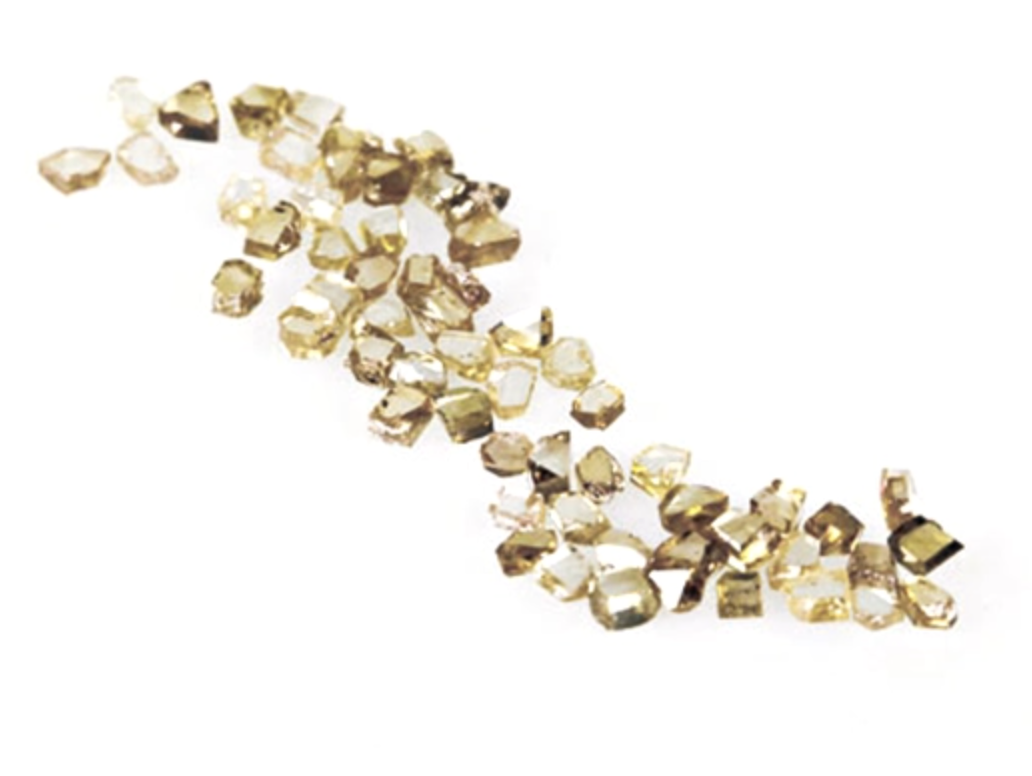
Tungsten carbide is extremely hard, but it is also brittle. Its ceramic-like structure gives it high hardness, yet it can crack under sudden force. You get excellent wear resistance, but it doesn’t absorb impacts like steel does.
Binders like cobalt or nickel improve toughness. They help hold the tungsten carbide grains together, reducing the chance of shattering. More binder increases impact resistance, while less binder keeps hardness higher but makes it more fragile.
More cobalt → tougher, less brittle
Less cobalt → harder, more wear-resistant
Binder choice balances hardness and toughness
| Binder Content | Hardness | Toughness | Typical Use |
|---|---|---|---|
| High cobalt | Moderate | High | Industrial drills, impact parts |
| Low cobalt | Very high | Low | Precision cutting, wear-resistant tools |
| Nickel | Moderate | High | Aerospace and automotive components |
They can fracture under sudden impact or hammering. Dropping a tool, misalignment in machines, or hitting a hard obstruction may chip or crack it. Even small strikes can cause damage if the binder content is low.
Common fracture scenarios:
Tool dropping on concrete
High-speed cutting collision
Abrasive debris hitting edges
Excessive bending or twisting
Toughness determines how long tools last and how safely they operate. Tools that are too brittle may break during machining, risking worker safety. Toughened tungsten carbide tools handle vibrations, shocks, and irregular loads better.
Practical benefits:
Longer tool life in demanding environments
Reduced downtime due to breakage
Safer operation during high-speed machining
Consistent performance under load
Tungsten carbide can handle extreme heat. Its melting point reaches 2,870 °C, which allows it to maintain strength and shape during high-temperature processes. It doesn’t soften easily, so it keeps tools precise even under heavy loads.
It has low thermal expansion, meaning it changes size very little when heated. This stability reduces warping in machinery or cutting tools. High thermal conductivity helps it dissipate heat fast, preventing overheating during continuous operation.
Thermal advantages:
Maintains precision under repeated heating
Reduces tool deformation during high-speed cutting
Keeps wear-resistant performance consistent
Tungsten carbide resists corrosion better than pure tungsten. It doesn’t oxidize at room temperature and withstands acids and most industrial chemicals. While tungsten can corrode at very high temperatures, tungsten carbide stays stable longer.
| Property | Tungsten | Tungsten Carbide | Notes |
|---|---|---|---|
| Oxidation | Starts ~400 °C | Starts ~700 °C | WC resists oxidation longer |
| Acid resistance | Moderate | High | Stable in HCl, H₂SO₄; dissolves in HNO₃ only |
| Thermal stability | Excellent | Excellent | WC expands less than tungsten |
Its combination of heat resistance and chemical stability makes tungsten carbide ideal for:
Oil drilling bits exposed to friction, pressure, and sand
High-speed cutting tools under continuous load
Industrial components in corrosive environments
Aerospace and automotive parts requiring stable performance
It’s a material that keeps performing even under intense heat or abrasive conditions.
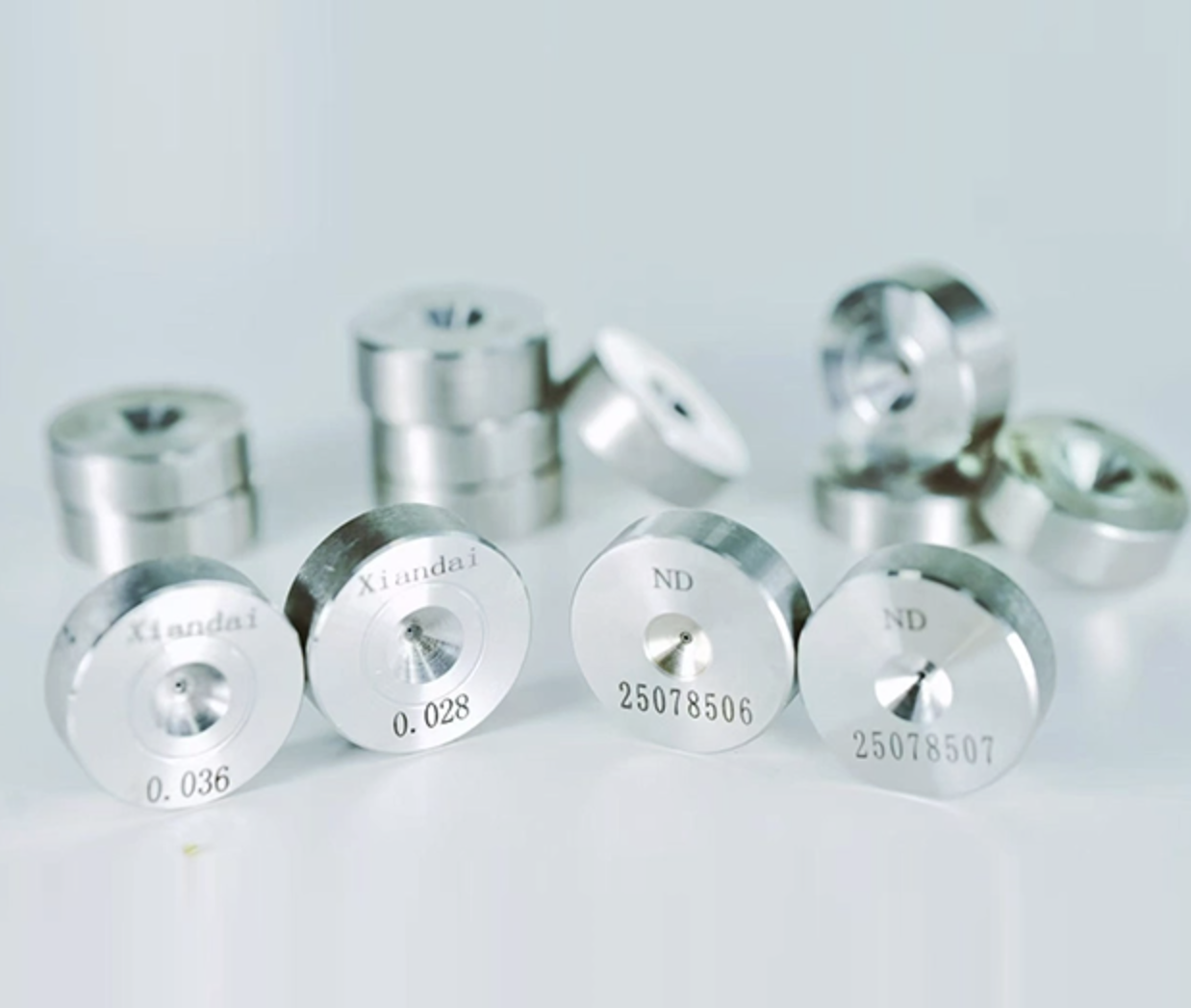
Tungsten is hard, but tungsten carbide is on another level. On the Mohs scale, tungsten sits around 7.5–8, while tungsten carbide reaches 9–9.5. Its Vickers hardness hits ~2,400 Hv, and Rockwell hardness (HRA) ranges 89–95.
Why is tungsten carbide harder? The combination of tungsten and carbon forms a dense hexagonal crystal. Binders like cobalt or nickel help hold grains together, making it extremely resistant to scratching and wear.
| Material | Mohs Hardness | Vickers Hardness (Hv) | Rockwell HRA |
|---|---|---|---|
| Tungsten | 7.5–8 | 350–400 | 60–65 |
| Tungsten Carbide | 9–9.5 | ~2,400 | 89–95 |
| Diamond | 10 | ~10,000 | – |
Tungsten has good tensile strength and some ductility, making it less likely to shatter. Tungsten carbide is much stronger under compression—up to 7,000 MPa—but brittle under impact. Its tensile strength varies 350–700 MPa depending on binder and grain size.
Tungsten: more flexible, tolerates shocks
Tungsten carbide: extremely hard, can fracture under sudden force
Cobalt binders improve toughness, reducing breakage
| Property | Tungsten | Tungsten Carbide |
|---|---|---|
| Tensile Strength (MPa) | High, ~550 | 350–700 |
| Compressive Strength (MPa) | Moderate | Up to 7,000 |
| Brittleness | Low | High |
| Impact Resistance | Good | Moderate with binders |
Tungsten melts at 3,422 °C, while tungsten carbide melts around 2,870 °C. Both resist oxidation at room temperature, but tungsten carbide handles high-temperature wear and corrosion better, especially with binders.
Industrial implications:
Stable cutting tools at high speeds
Components resist chemical attack in harsh environments
Reduced warping and longer service life
| Property | Tungsten | Tungsten Carbide | Industrial Impact |
|---|---|---|---|
| Melting Point | 3,422 °C | 2,870 °C | Both tolerate high heat |
| Oxidation | Starts ~400 °C | Starts ~700 °C | WC resists longer |
| Corrosion Resistance | Moderate | High | Longer-lasting tools |
| Thermal Expansion | Moderate | Low | Maintains shape under heat |
Tungsten carbide isn’t naturally strong—it’s crafted. The process begins with powder metallurgy, where tungsten and carbon powders are blended. Binders like cobalt or nickel are added to help grains stick and improve toughness.
The mixed powders are compacted into shapes and then undergo sintering, a heat treatment just below the melting point. Sintering fuses particles together, creating a dense, hard crystal structure.
Why it matters:
Ensures uniform hardness throughout the material
Controls grain size, affecting wear resistance
Influences fracture toughness through binder distribution
Before sintering, powders are pressed in molds to form rods, cutting tips, or industrial parts. Pressure ensures minimal voids and consistent density. After shaping, the parts are heated carefully, allowing particles to bond tightly.
High pressure → increased density → stronger final product
Controlled heating → avoids cracks → preserves toughness
Cooling rate → influences microstructure → affects hardness
Every step affects performance. Smaller tungsten grains create higher hardness, while more cobalt binder improves toughness but slightly reduces hardness. Improper sintering can leave weak spots, reducing tool life and wear resistance.
| Factor | Effect on Tungsten Carbide | Industrial Impact |
|---|---|---|
| Grain Size | Smaller → harder | Longer-lasting cutting tools |
| Binder Content | Higher → tougher | Reduces chipping in impact tools |
| Sintering Temp | Optimal → strong bonds | Prevents cracks and structural defects |
| Pressing Pressure | Higher → denser | Improves wear resistance and durability |
This careful process produces tools and components that withstand extreme pressures, high temperatures, and abrasive environments.
A: Tungsten carbide’s hexagonal crystal structure and the combination of tungsten and carbon create extreme hardness. Binders like cobalt hold grains together, increasing compressive strength and wear resistance, making it stronger than pure tungsten.
A: Yes, it has a melting point around 2,870 °C, low thermal expansion, and excellent thermal stability, allowing it to maintain shape and performance under high heat conditions.
A: Its extreme hardness, dense crystal structure, and strong bonding between tungsten and carbon reduce abrasion. Proper grain size and binder content further enhance durability in cutting and industrial applications.
A: It is very hard but brittle. Without metallic binders, it can fracture under impact or sudden force. Binders like cobalt improve toughness, reducing chipping or shattering risk.
Tungsten carbide proves itself as a material that combines extreme hardness, impressive strength, and reliable wear resistance. By understanding its crystal structure, binder effects, and thermal stability, you can see why it’s preferred for tools and components facing heavy loads and harsh environments.
At NJ-ModernDiamond Co., Ltd., we offer high-quality tungsten carbide products tailored to your industrial needs. From precision cutting tools to custom wear-resistant parts, our solutions help you maximize performance, extend tool life, and reduce downtime. Explore how tungsten carbide can strengthen your operations today.