Views: 0 Author: Site Editor Publish Time: 2026-02-25 Origin: Site
Tungsten carbide is a super-hard material made from tungsten and carbon, often bonded with cobalt. Its toughness, wear resistance, and heat stability make it ideal for cutting tools, industrial parts, and even jewelry. Understanding its properties and uses shows why it’s so widely relied upon.
When we explain what is tungsten carbide, we also need to understand how it is made. Its extreme hardness does not happen by accident. It comes from a carefully controlled powder process rather than traditional metal casting. Unlike steel, tungsten carbide is not melted and poured. We form it from powders. Then we densify it under high temperature.
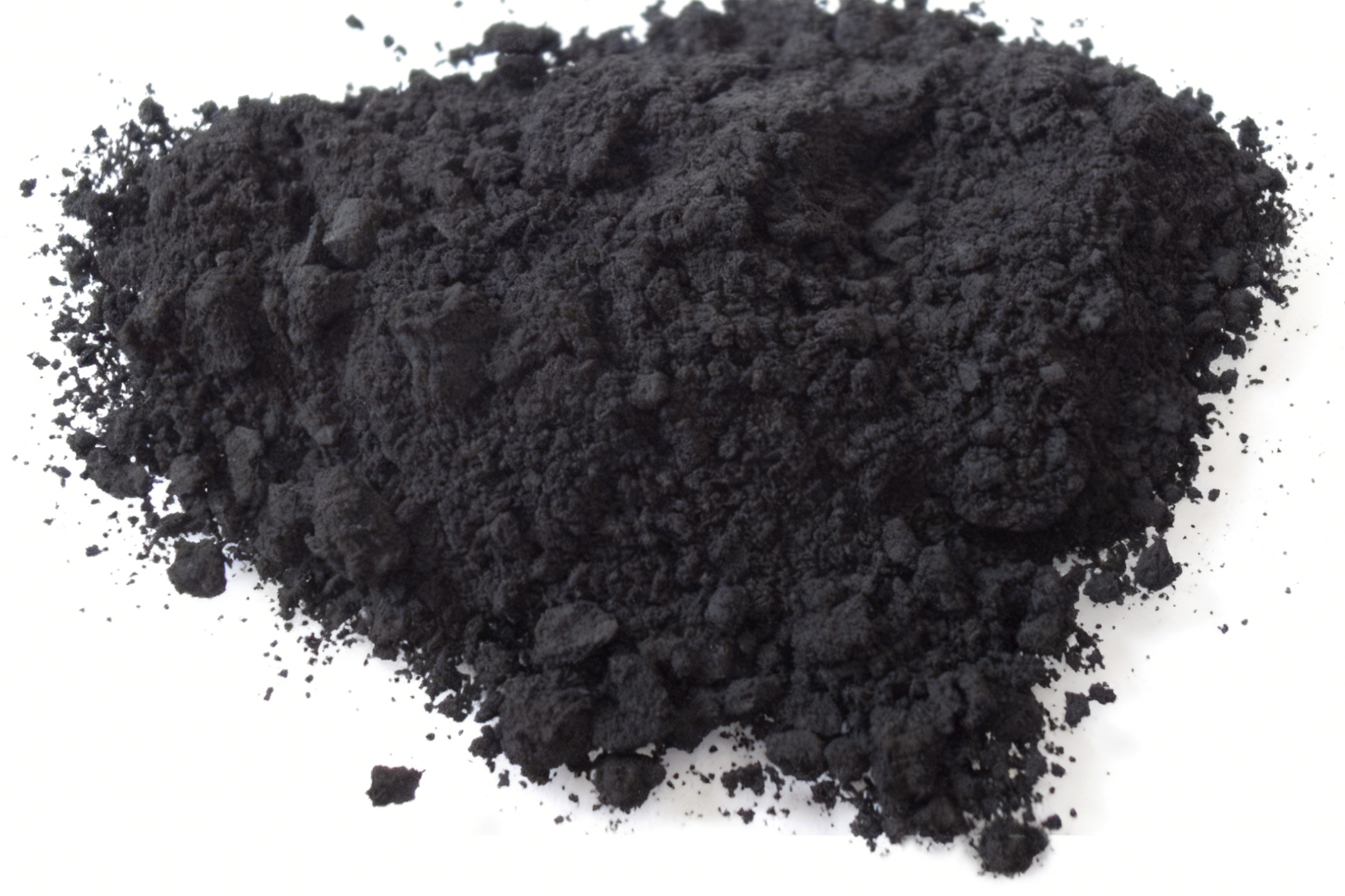
The first step is creating tungsten carbide powder.
Fine tungsten powder is blended with carbon black.
The mixture is heated to 1400–1600°C.
Processing happens inside a hydrogen atmosphere.
Hydrogen protects the material from oxidation. It keeps the reaction clean. At high temperature, tungsten reacts directly with carbon. The result is WC powder made of extremely hard microscopic particles. Grain size is tightly controlled at this stage. Smaller grains will later produce harder carbide grades.
Tungsten carbide cannot be cast like common metals. Its melting behavior makes that impractical. Instead, manufacturers use powder metallurgy. Powder metallurgy forms solid components from powders rather than molten metal.
This stage includes:
Mixing WC powder with cobalt powder
Adding a temporary binder such as paraffin wax
Ball milling to ensure uniform distribution
Cobalt acts as the binder metal. It improves toughness and impact resistance.
Performance depends heavily on composition:
Higher cobalt → better toughness
Lower cobalt → higher hardness
Balanced ratios → optimized cutting performance
Uniform mixing is critical. Even small variations can affect tool life.
After mixing, the powder is pressed into shape.
Two common pressing methods are used:
| Method | Description | Advantage |
|---|---|---|
| Die Pressing | Powder compressed inside a rigid steel die | Efficient for high-volume parts |
| Isostatic Pressing | Uniform pressure applied from all directions | More even density for complex shapes |
The pressed part is called a green compact. It looks solid but remains relatively soft. It has not been sintered yet.
At this stage, we can perform green machining:
Drilling
Slotting
Basic shaping
Dust extraction systems are important here. Fine particles can be hazardous.
Next comes sintering, the most critical stage. The green compact is placed in a vacuum furnace. It is heated between 1300–1600°C.
Inside the furnace:
Cobalt melts first
It flows between WC grains
It partially dissolves their surfaces
It bonds the grains together
This process is called liquid phase sintering.
During sintering:
The part shrinks about 15–25%
Porosity decreases
Density increases dramatically
Strength multiplies
After this step, the material becomes extremely hard. Conventional machining tools no longer work.
Once sintered, the part requires precision finishing.
Common finishing steps include:
Diamond grinding for final dimensions
Surface polishing to reduce friction
Edge preparation for cutting tools
Many carbide tools also receive protective coatings, such as:
TiN (Titanium Nitride)
TiAlN (Titanium Aluminum Nitride)
AlTiN (Aluminum Titanium Nitride)
These coatings improve heat resistance. They reduce wear. They extend tool life during high-speed machining. Each stage of manufacturing directly affects hardness, toughness, and overall performance.
When explaining what is tungsten carbide, we cannot stop at its definition. Its real value comes from how we control its structure and composition. Performance depends mainly on cobalt content, grain size, grade classification, and material adjustments. Small changes in these areas can significantly alter hardness, toughness, and wear resistance.
Cobalt serves as the metallic binder that holds tungsten carbide grains together. Adjusting its percentage directly changes how the material behaves under stress and heat.
Lower cobalt content increases hardness and abrasion resistance, but it also makes the material more brittle during impact.
Higher cobalt content improves toughness and impact resistance, although hardness slightly decreases.
You can think of cobalt as a balancing element. More cobalt gives the structure flexibility under shock loads. Less cobalt creates a sharper, more wear-resistant cutting edge. Manufacturers carefully adjust this ratio depending on whether the tool will face heavy impact or high-speed precision cutting.
| Cobalt % | Hardness Level | Toughness Level | Common Application |
|---|---|---|---|
| 4–6% | Very high | Lower | Finishing tools |
| 6–10% | Balanced | Balanced | General machining |
| 10–20% | Moderate | High | Mining, heavy drilling |
We choose the percentage based on working conditions rather than chasing maximum hardness alone.
Grain size refers to the size of individual tungsten carbide particles inside the structure. It strongly influences wear resistance and fracture behavior.
Typical grain categories include:
Ultra-fine grains (0.2–0.6 μm)
Fine grains
Medium grains
Coarse grains
Smaller grains create a tighter microstructure. This improves hardness and edge retention, which is ideal for precision milling or high-speed cutting. Larger grains, on the other hand, provide better resistance to impact and vibration. They perform well in heavy-duty machining and rough cutting operations.
| Grain Size | Wear Resistance | Impact Strength | Typical Use |
|---|---|---|---|
| Ultra-fine | Very high | Lower | Precision machining |
| Fine | High | Moderate | General-purpose tools |
| Coarse | Moderate | High | Heavy load operations |
Selecting the correct grain size ensures the tool performs reliably under specific machining conditions.
To simplify selection, tungsten carbide is organized into ISO grades such as K5, K10, and K20. Each grade reflects a specific balance of tungsten carbide percentage, cobalt content, and grain structure.
For example:
| Grade | Approx. WC % | Approx. Co % | Performance Focus |
|---|---|---|---|
| K5 | ~93% | ~7% | High hardness, fine grain |
| K10 | ~94% | ~6% | Balanced cutting performance |
| K20 | ~92% | ~8% | Improved toughness |
Lower-number grades generally prioritize hardness and wear resistance. Higher-number grades typically offer more toughness and durability under impact. We select grades based on material type, cutting speed, and working environment rather than appearance alone.
Modern tungsten carbide is rarely limited to just WC and cobalt. Manufacturers often introduce small alloying elements into the binder phase to refine performance.
These additives may:
Control grain growth during sintering
Improve corrosion resistance
Increase high-temperature stability
Enhance oxidation resistance
By adjusting composition carefully, we tailor carbide grades for aerospace components, stainless steel machining, mining tools, or high-speed production lines. Two tools may look identical externally, yet their internal structure can produce very different results during operation.
When people search what is tungsten carbide, they usually want practical examples. Where do we actually use it? Why does industry rely on it so heavily?
Its extreme hardness and wear resistance make it essential in machining, mining, energy production, and even jewelry. Let’s look at the major applications.
Cutting tools represent the largest use of tungsten carbide. We depend on it in modern manufacturing because steel tools simply wear out too quickly at high speeds.
Common carbide cutting tools include:
End mills for slotting and contouring
Drill bits for precision hole making
Inserts for turning and milling operations
Reamers for accurate hole finishing
Milling cutters for heavy material removal
Many of these tools are solid carbide. Others use carbide tips brazed onto steel bodies. It allows higher productivity and more consistent machining results.
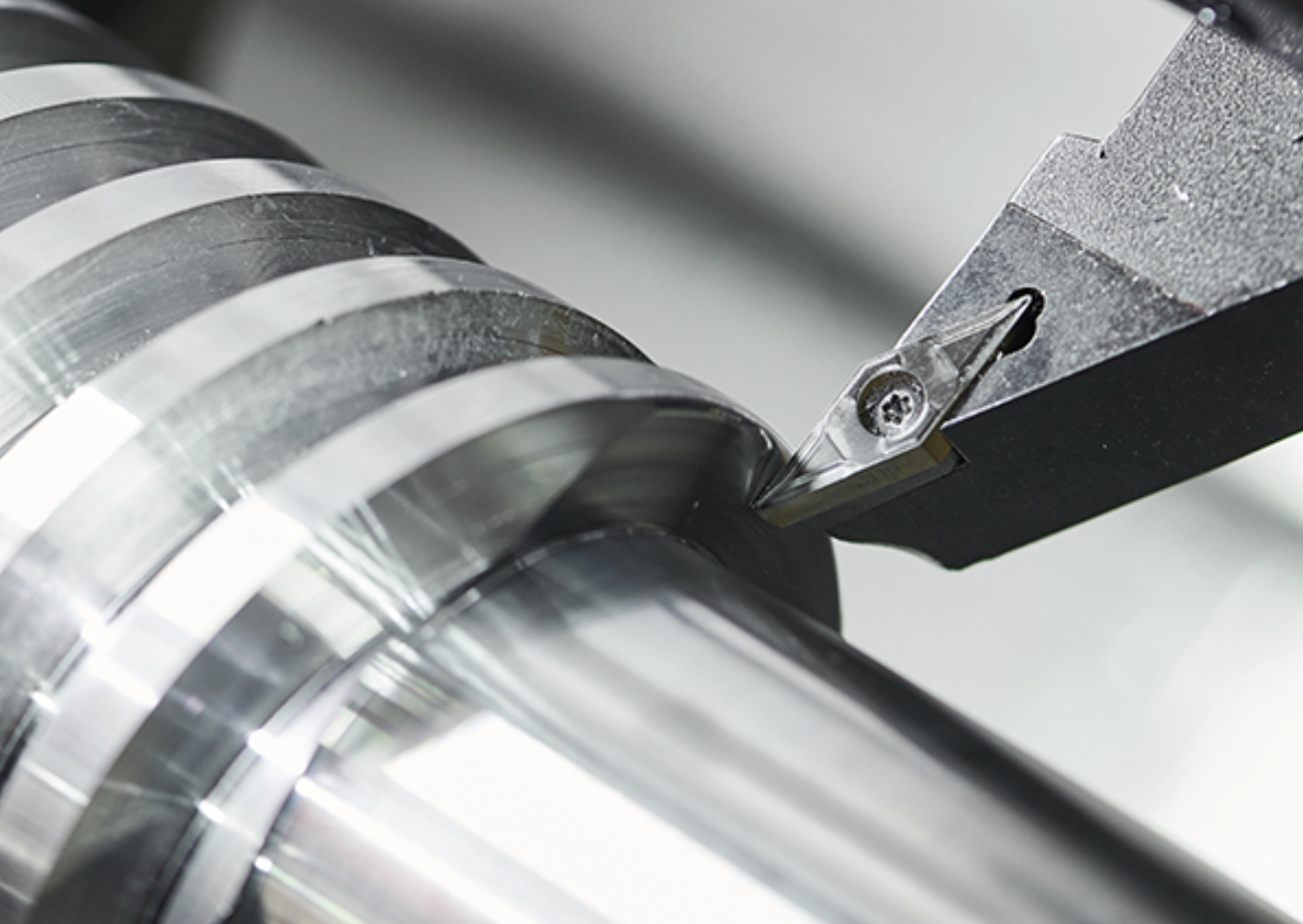
Tungsten carbide performs exceptionally well under heat and pressure. During machining, friction generates intense temperatures. Traditional high-speed steel softens quickly. Carbide resists this softening.
Key machining advantages include:
High cutting speeds → increases production output
Excellent heat resistance → maintains hardness at elevated temperatures
Strong edge retention → reduces frequent tool changes
Improved surface finish → creates smoother machined parts
Longer tool life than HSS → lowers overall tooling cost
Here’s a simple comparison:
| Property | Tungsten Carbide | High-Speed Steel (HSS) |
|---|---|---|
| Hardness | Very high | Moderate |
| Heat resistance | Excellent | Limited |
| Cutting speed | 2–3× faster | Slower |
| Tool life | Longer | Shorter |
Because it keeps its sharp edge under stress, we can machine stainless steel, cast iron, and hardened alloys more efficiently.
Beyond machining, tungsten carbide supports heavy industry worldwide.
Major industrial uses include:
Metal machining components in factories
Mining drill bits for rock and ore extraction
Oil & gas wear parts exposed to abrasive fluids
Metal forming dies for shaping steel and aluminum
Armor-piercing cores due to high density and hardness
Mining tools must survive extreme abrasion. Oil and gas components face sand, pressure, and corrosion. Carbide resists all three better than most metals.
Tungsten carbide also appears in everyday products. Its durability and scratch resistance make it attractive for consumer goods.
Common examples include:
Wedding rings resistant to scratching
Watch cases for long-term wear
Ballpoint pen balls for smooth ink flow
Wear-resistant mechanical parts in small devices
In jewelry, people choose it because it keeps its polish for years. In pens, it ensures consistent performance over millions of rotations. Its strength, density, and stability make it useful far beyond industrial workshops.
Tungsten carbide is much harder than steel and resists wear far better. It also has very high compressive strength. However, steel is more flexible and less likely to crack under sudden impact. Carbide wins in hardness, while steel wins in flexibility.
Tungsten carbide can be brittle, especially in grades with low cobalt content. Higher cobalt levels improve toughness and reduce the risk of chipping. It is very hard but not as flexible as steel.
Yes, tungsten carbide is widely recycled in industry. Used tools and scrap are processed back into powder form. Recycling helps reduce raw material costs and supports sustainable manufacturing.
Tungsten is a rare and dense metal, which increases raw material costs. The powder metallurgy process and high-temperature sintering also add expense. Despite the higher initial price, its long tool life often lowers overall machining costs.
Tungsten carbide delivers unmatched hardness, thermal stability, and wear resistance, making it critical for industrial and consumer applications. Choosing the right grade, grain size, and composition ensures maximum performance for each use case.
For businesses seeking premium tungsten carbide tools, components, or custom solutions, NJ-ModernDiamond Co., Ltd. provides high-quality carbide products backed by precise manufacturing and expert support. Their solutions help industries achieve higher efficiency, longer tool life, and reliable performance in demanding environments.