Views: 0 Author: Site Editor Publish Time: 2026-01-05 Origin: Site
Shaped wire drawing dies are essential in modern manufacturing. They allow precise wire shaping, meeting the needs of various industries. In this article, we will explore what shaped wire drawing dies are and how they work. You will also learn about the materials used, their applications, and the challenges faced in the process.
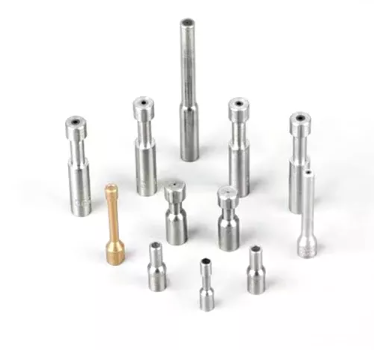
Shaped wire drawing dies are specialized tools used in the wire drawing process to produce wire of specific cross-sectional shapes. Unlike conventional dies, which typically shape round wire, shaped dies allow manufacturers to create wire with customized profiles such as square, hexagonal, and flat. The die itself is carefully engineered to ensure that the wire passes through it under tension, transforming the wire into the desired shape while reducing its diameter.
These dies are typically used in applications where the shape of the wire is crucial, such as in the manufacturing of fasteners, springs, electrical cables, and various components that require precise geometries.
The wire drawing process involves pulling wire through a die under tension, causing the wire to elongate and reduce in diameter. Shaped wire drawing dies go a step further by modifying the wire’s cross-section, enabling the production of wire in a variety of shapes that cannot be achieved with standard round wire dies.
This step is essential for producing wire with specific characteristics needed for applications such as electrical conductance, strength, or flexibility. The dies act as molds that guide the wire through their defined shape, ensuring that the final product is consistent and meets industry standards.
The material composition of shaped wire drawing dies is a critical factor in their longevity and performance. Common materials used for these dies include:
Material | Properties | Applications |
Tungsten Carbide | Extremely hard, resistant to wear and high pressures | High-stress applications where durability is essential |
Steel Alloys | Strong, cost-effective, good wear resistance | Suitable for moderate stress wire drawing tasks |
Diamond | Highest hardness, excellent wear resistance | Used in high-precision wire drawing for fine wires |
Tungsten carbide is often preferred for high-stress applications due to its hardness, which allows the die to withstand constant friction without wearing out quickly. Steel alloys, while not as hard as tungsten carbide, offer a more cost-effective solution for less demanding applications. For ultra-precision tasks, diamond-coated dies are used, offering unmatched durability and accuracy.
Shaped wire drawing dies work by guiding the wire through a mold or die cavity with a defined shape. The wire is pulled through the die under tension, which causes it to elongate and its cross-sectional area to reduce. As the wire moves through the die, the metal deforms and conforms to the shape of the die, giving the wire its desired profile. The process not only reduces the diameter of the wire but also alters its structure, improving mechanical properties such as tensile strength and ductility.
A typical wire drawing process may involve several stages, with each stage using a different die to further reduce the wire’s diameter and shape. This gradual process helps to avoid excess strain on the wire and die, ensuring that the final product is of high quality.
Shaped wire drawing dies are capable of producing a wide variety of wire profiles, each suited to specific applications. Some of the most common shapes include:
● Hexagonal Wire: Often used in the manufacturing of fasteners like nuts, bolts, and industrial connectors, hexagonal wire allows for a more secure grip in mechanical applications.
● Square Wire: Frequently used in electrical components, square wire provides a larger surface area for electrical conductivity and is often found in applications requiring high precision.
● Flat Wire: This shape is commonly used in cables, springs, and structural reinforcement, offering a blend of strength and flexibility.
Each die is specifically designed for the desired shape, with precise tolerances to ensure uniformity and consistency in the final product. Manufacturers select dies based on the specific needs of their end product, such as strength, flexibility, or conductivity.
The design of the die is a key factor in determining the success of the wire drawing process. A well-designed die ensures that the wire maintains its shape throughout the drawing process, minimizing defects such as cracks, uneven thickness, or surface imperfections.
Additionally, the die design affects the overall efficiency of the process. A precise die allows for faster wire drawing speeds, improving production rates and reducing manufacturing costs. Optimizing die geometry for specific wire profiles helps to ensure that the wire is drawn efficiently while maintaining the desired properties.
Shaped wire drawing dies are essential across various industries where wire plays a critical role in product performance. These industries include:
● Automotive: Wires are used in components like fasteners, springs, electrical connectors, and structural reinforcements. Shaped wire drawing dies allow for the creation of precise wire shapes that meet strict automotive standards for strength and durability.
● Electronics: The electronics industry uses shaped wire for electrical connections, circuit boards, and other components that require high conductivity and precision.
● Construction: In construction, shaped wire is used for reinforcing bars, cables, and mesh, providing structural support and ensuring durability in buildings and infrastructure.
Each of these industries requires specific wire shapes for different applications, and shaped wire drawing dies provide the ability to meet these needs with precision.
Some of the most common products produced with shaped wire drawing dies include:
Product | Wire Shape | Application |
Fasteners | Hexagonal, Square | Used in automotive, construction, and industrial products |
Springs | Square, Rectangular | Found in machinery, electronics, and automotive industries |
Cables | Flat | Used in electrical, construction, and telecommunications industries |
Reinforcing Bars | Flat, Square | Used in construction for added structural support |
Shaped wire is integral to the production of these components, as its specific profile allows for optimal functionality in the final product.
The use of shaped wire drawing dies in manufacturing offers several advantages, including:
● Improved Product Quality: The precision of shaped wire dies ensures that the final product meets tight tolerances and high-quality standards.
● Increased Production Efficiency: The ability to produce multiple wire shapes in a single drawing process reduces the need for additional processing and speeds up production.
● Cost Savings: The combination of higher production efficiency and better material utilization helps reduce costs, making shaped wire drawing dies a cost-effective choice for manufacturers.
Overall, shaped wire drawing dies offer a combination of precision, efficiency, and cost-effectiveness, making them indispensable in modern manufacturing.
One of the primary challenges with shaped wire drawing dies is wear and tear. The constant friction and pressure experienced during the wire drawing process can cause the die to wear out over time, which affects the quality of the wire produced. Regular maintenance and replacing worn dies are essential to ensure continued performance.
Using high-quality materials such as tungsten carbide can help mitigate wear and extend the lifespan of the dies. Additionally, optimizing the drawing process to reduce excess pressure can help preserve the die’s integrity.
Maintaining tight tolerances is crucial for achieving the desired wire shape and quality. Even slight variations in die design or wire drawing parameters can lead to defects, such as uneven thickness or surface imperfections. Precision dies, along with careful process control, are essential for ensuring that the wire meets the required specifications.
Managing tolerances also requires regular monitoring of the drawing process, as any fluctuations in speed, tension, or temperature can affect the final product. Manufacturers must invest in precision tools and monitoring systems to maintain the quality and consistency of shaped wire.
Heat and stress are inevitable in the wire drawing process, as friction generates significant heat that can wear down dies and affect wire quality. To overcome this challenge, manufacturers often employ cooling systems to regulate the temperature during the drawing process. Additionally, selecting heat-resistant materials for the dies can help reduce the impact of heat on die wear.
Stress is another factor that can cause defects in both the wire and the die. By optimizing the wire drawing process and using materials that are more resistant to stress, manufacturers can minimize the impact of this challenge.
Recent innovations in die materials have significantly improved the performance and lifespan of shaped wire drawing dies. New coatings, such as diamond-like carbon (DLC), are now being used to enhance wear resistance, reduce friction, and improve the precision of the wire drawing process. These advances enable dies to withstand more demanding applications and longer production runs.
The integration of automation and robotics into wire drawing processes is transforming the industry. Automated systems can handle wire drawing tasks with greater consistency and accuracy, reducing human error and improving production efficiency. Robotic arms and AI-driven controls are now being used to optimize die usage and streamline the entire wire drawing process.
As sustainability becomes a priority in manufacturing, eco-friendly practices are being adopted in die production. Manufacturers are focusing on reducing material waste, recycling used dies, and selecting environmentally friendly materials. Additionally, energy-efficient processes are being implemented to reduce the carbon footprint of wire drawing operations.
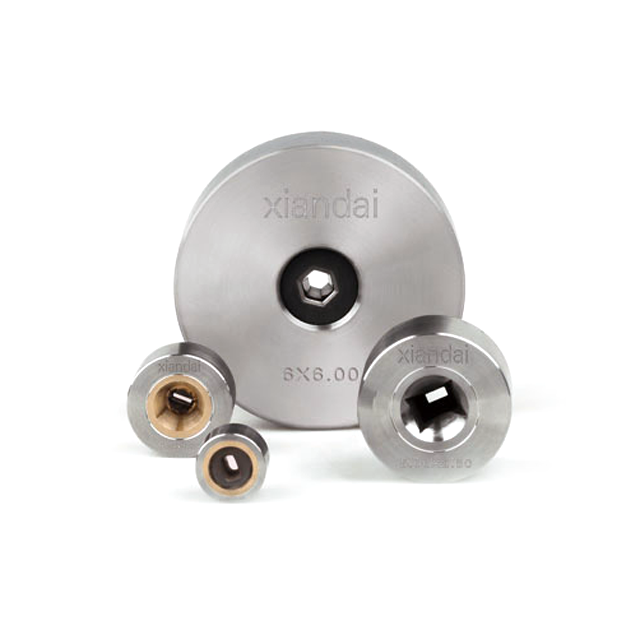
Shaped wire drawing dies are essential for producing wire with specific shapes and dimensions, ensuring high-quality products across industries such as automotive, electronics, and construction. While challenges such as die wear, managing tolerances, and handling heat and stress exist, advancements in die materials, automation, and sustainable practices are helping to overcome these obstacles. Companies like ModernDiamond are leading the way in adopting innovative solutions to improve die performance. As technology continues to evolve, shaped wire drawing dies will remain an integral part of modern manufacturing, driving improvements in efficiency, precision, and sustainability.
A: Shaped wire drawing dies are specialized tools used in the wire drawing process to produce wire with specific cross-sectional shapes, such as square, hexagonal, or flat. These dies help manufacturers achieve custom wire profiles for various applications.
A: Shaped wire drawing dies work by guiding wire through a precisely shaped cavity, reducing its diameter while altering its cross-section to the desired shape. This process enhances the wire’s mechanical properties and ensures it meets specific design requirements.
A: Shaped wire drawing dies are crucial for creating custom wire profiles required in industries like automotive, electronics, and construction. They ensure high precision, improve product quality, and increase manufacturing efficiency.
A: Shaped wire drawing dies are typically made from durable materials like tungsten carbide, steel alloys, or diamond coatings. These materials ensure that the dies can withstand the high friction and pressure involved in the wire drawing process.
A: Shaped wire drawing dies play a key role in ensuring high-quality wire by maintaining consistent shape, size, and surface finish. Precision die design helps minimize defects, ensuring the final product meets stringent industry standards.