Views: 0 Author: Site Editor Publish Time: 2026-01-07 Origin: Site
Have you ever wondered how wires are shaped to fit specific industrial needs? The answer lies Shaped wire drawing dies , essential tools that are revolutionizing manufacturing. In this article, we’ll uncover how these dies work, the materials used, and the diverse applications they serve. Plus, we’ll dive into the challenges and innovations driving the future of wire drawing technologies.
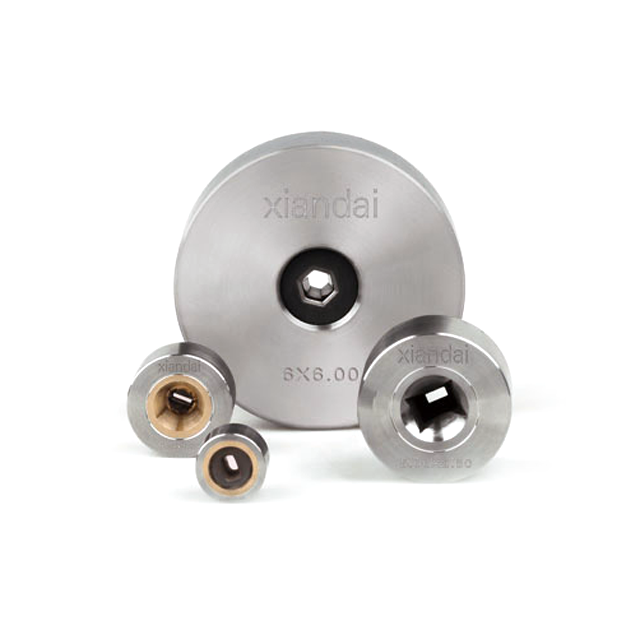
Shaped wire drawing dies are specially designed tools that transform wire into precise shapes through the wire drawing process. Unlike round wire dies, which are used to reduce the diameter of wire, shaped wire drawing dies allow the creation of wires with customized cross-sectional profiles, such as flat, hexagonal, square, and other specialized shapes. These dies control the size and shape of the wire, ensuring it meets the specific requirements of various industrial applications.
Shaped wire dies are crucial in creating products such as cables, fasteners, springs, and reinforcing bars. They are used in industries where wire needs to be fabricated into specific profiles for both functional and aesthetic purposes.
The primary difference between round wire dies and shaped wire drawing dies lies in their design and purpose. Round wire dies are simpler tools used to reduce the diameter of wire, whereas shaped wire dies are engineered to create custom shapes with a specific cross-section. The complexity of the shaped die design allows manufacturers to achieve profiles that go beyond the simple round shape, making them suitable for more advanced applications.
Shaped wire dies require a more intricate design because they need to accommodate various geometries. This design complexity influences the wire's mechanical properties, such as strength, flexibility, and conductivity, which are critical for the end product's performance.
The materials used for making shaped wire drawing dies are crucial to their performance and longevity. Common materials include:
Material | Properties | Applications |
Tungsten Carbide | Extremely hard, highly resistant to wear and high pressure | High-stress applications requiring durability |
Steel Alloys | Strong, cost-effective, good wear resistance | Moderate stress applications |
Diamond | Highest hardness, excellent wear resistance | High-precision applications, fine wire drawing |
Tungsten carbide is a popular choice for high-stress wire drawing processes due to its superior hardness and wear resistance. Steel alloys are often used for less demanding applications, while diamond-coated dies are preferred for ultra-precision work, where high accuracy and minimal wear are essential.
The wire drawing process involves pulling a wire through a die under tension. As the wire is drawn through the die, its diameter is reduced, and the shape of its cross-section is altered to meet the desired profile. In the case of shaped wire drawing dies, the wire is formed into precise, complex profiles, such as flat, hexagonal, or square shapes.
The wire drawing process typically involves several stages, with each die progressively reducing the diameter and shaping the wire. This gradual process helps to prevent overstressing the wire and die, ensuring that the final product maintains its mechanical properties and dimensional accuracy.
The key function of shaped wire drawing dies is to control the shape and dimensions of the wire as it passes through the die. By designing the die with precise geometries, manufacturers can ensure that the wire's profile matches the required specifications.
Shaped wire dies control the wire's width, thickness, and even its surface finish. The die's shape is crucial in ensuring the wire's consistency and mechanical properties, such as strength and ductility. These factors are vital for applications that require specific wire profiles for functionality, like reinforcement bars in construction or connectors in electronics.
Die geometry plays a critical role in shaping the wire and ensuring the desired result. Properly designed dies reduce defects like cracks, uneven thickness, and surface imperfections. A well-engineered die can minimize the risk of wire distortion and ensure that the wire maintains uniformity throughout the drawing process.
Die geometry also influences the speed of the wire drawing process. A well-designed die reduces the amount of resistance the wire encounters, allowing for faster processing times while maintaining quality. The die's geometry directly impacts the efficiency and cost-effectiveness of the wire drawing process.
Shaped wire drawing dies are used in several industries where wire with specific shapes is required. Key industries that rely on shaped wire dies include:
● Automotive: Shaped wire is used in components such as fasteners, springs, and cables, all of which need to meet strict performance and durability standards.
● Electronics: Shaped wire is essential for connectors, electrical conductors, and circuit boards, where precision and conductivity are crucial.
● Construction: In construction, shaped wire is used for reinforcing bars and mesh, ensuring structural integrity in buildings and infrastructure.
Each of these industries depends on shaped wire for high-quality products that meet specific mechanical and aesthetic requirements.
Some of the most common products produced using shaped wire drawing dies include:
Product | Wire Shape | Application |
Fasteners | Hexagonal, Square | Used in automotive and industrial components |
Springs | Square, Rectangular | Found in machinery and automotive parts |
Cables | Flat | Used in electrical and telecommunication systems |
Reinforcing Bars | Flat, Square | Essential for construction and infrastructure projects |
These products require shaped wire drawing dies to meet precise tolerances and functional demands.
Shaped wires are critical in modern manufacturing for several reasons. They provide solutions to specific engineering challenges by offering precise, custom shapes that enhance product performance. Whether it’s improving electrical conductivity, mechanical strength, or flexibility, shaped wire ensures that products meet the high standards required by industries like automotive, electronics, and construction.
Die wear is one of the most common challenges in the wire drawing process. The constant friction and pressure cause the die material to degrade over time, affecting its performance and the quality of the wire. Regular maintenance and the use of high-quality materials like tungsten carbide can help mitigate this issue, extending the lifespan of the die and ensuring consistent product quality.
Tip: Regular inspection and maintenance of shaped wire dies are essential to minimize wear and ensure consistent wire quality throughout production.
Achieving precise tolerances in wire drawing is crucial for producing high-quality wire with consistent dimensions. Tight tolerances are especially important in industries like electronics, where the wire's size and shape can impact the performance of electrical components. Using precision-engineered dies and monitoring the drawing process closely helps achieve the required tolerances.
The wire drawing process generates significant heat and stress, which can affect both the wire and the die. Managing these factors is essential to prevent deformation, cracks, or premature wear. Cooling systems, advanced die materials, and optimized drawing speeds help minimize the impact of heat and stress, ensuring that the wire retains its desired properties.
Recent advancements in die materials have improved the performance and durability of shaped wire drawing dies. Coatings such as diamond-like carbon (DLC) and advanced composite materials are now used to extend die lifespan, reduce friction, and improve the precision of the wire drawing process.
The integration of automation and smart technology is revolutionizing the wire drawing process. Automated systems can monitor and control the die’s performance in real-time, adjusting parameters to optimize the drawing process and reduce errors. These innovations increase speed, accuracy, and consistency, contributing to higher productivity.
Sustainability is becoming increasingly important in manufacturing, including die production. Eco-friendly practices, such as using recyclable materials, reducing energy consumption, and minimizing waste, are gaining traction in the die manufacturing industry. Companies are adopting greener technologies to reduce their environmental footprint while maintaining high production standards.
The future of shaped wire drawing dies is poised to be shaped by several transformative technologies, most notably artificial intelligence (AI) and 3D printing. AI has the potential to significantly enhance the design process by offering more precise and optimized die designs. AI-powered design tools can analyze vast amounts of data and predict the ideal die shapes, material selections, and drawing processes. This capability leads to faster, more efficient designs and reduces the risk of defects in wire production.
Moreover, AI can help streamline the manufacturing process by providing real-time feedback and predictive maintenance insights, ensuring higher uptime and reduced operational costs.
On the other hand, 3D printing is set to revolutionize the way shaped wire drawing dies are produced. Traditional die manufacturing is often time-consuming and costly, requiring precise machining and testing. However, 3D printing allows manufacturers to quickly prototype and iterate on die designs, creating custom-shaped dies in a fraction of the time. This rapid prototyping can enable manufacturers to test new designs, materials, and configurations, speeding up the development cycle and offering a higher degree of customization.
Additionally, 3D printing offers the possibility to integrate complex geometries into the die design, which can result in more efficient wire drawing processes, reduced material waste, and the ability to create wire profiles that were previously impossible to achieve.
As the manufacturing landscape evolves, shaped wire drawing dies will continue to play a pivotal role in meeting the ever-growing demands of various industries. Today, industries are looking for wires that offer enhanced performance, specialized characteristics, and optimized designs for a variety of applications. For example, in the automotive industry, the need for lightweight yet strong materials for components such as wiring, fasteners, and springs is driving innovation in wire design. Similarly, in the electronics sector, shaped wires with high conductivity and precise geometries are critical for producing efficient and reliable components.
In response to these demands, shaped wire dies will continue to evolve in several key areas:
● Material Innovations: Advances in materials used for creating shaped wire drawing dies will continue to play a significant role in the evolution of the wire drawing process. New materials, including composites and coatings that offer superior wear resistance, high-temperature tolerance, and longer die lifespans, will help manufacturers improve efficiency and reduce costs. Research into nanomaterials may also open doors for dies that can produce ultra-precise wire profiles with minimal friction.
● Automation: The integration of automation in die design and manufacturing will further streamline the wire drawing process. Automated systems that can dynamically adjust drawing parameters based on real-time feedback from the wire’s performance will allow for faster production cycles, less material waste, and improved product consistency.
● Smart Dies: The development of “smart” dies equipped with sensors and IoT technology is another trend on the horizon. These smart dies will be able to monitor key parameters during the wire drawing process, such as temperature, pressure, and strain, and transmit data in real time for analysis. This data will allow for proactive adjustments and better control over the quality of the final product, ensuring the wire’s precision and minimizing defects.
● Customization and Flexibility: As industries continue to demand more specialized wire shapes, the ability to rapidly customize wire drawing dies will be crucial. 3D printing, combined with advanced AI, will make it easier to tailor dies to specific production needs, allowing manufacturers to quickly adapt to changes in market demands and production requirements.
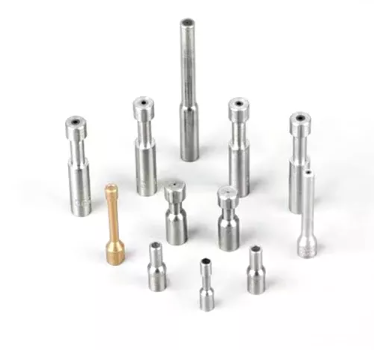
Shaped wire drawing dies are essential tools for producing wire with specific profiles required by various industries. From automotive to electronics, these dies ensure that wires meet the highest standards of quality, precision, and performance. As the manufacturing landscape continues to evolve, so too will the technologies and innovations that shape the future of shaped wire drawing dies, contributing to greater efficiency and sustainability in wire production. ModernDiamond is at the forefront of these innovations, providing cutting-edge solutions to meet the demands of today's manufacturing world.
Tip: Regular inspection and maintenance of shaped wire dies can significantly extend their lifespan and improve the overall quality of the wire produced, resulting in cost savings and enhanced product performance.
A: Shaped wire drawing dies are tools used in the wire drawing process to create wire with specific cross-sectional profiles, such as flat, hexagonal, or square, for various industrial applications.
A: Shaped wire drawing dies work by pulling wire through a specially designed die, reducing its diameter while simultaneously shaping it into a custom profile, such as flat or square, depending on the die design.
A: Shaped wire drawing dies are essential for producing wire with precise shapes required in industries like automotive, construction, and electronics, ensuring product quality and functionality.
A: Regular maintenance, including cleaning and inspection for wear, is essential to prolong the life of shaped wire drawing dies. Using high-quality materials and proper cooling systems can also reduce wear and tear.
A: Challenges include die wear, managing tight tolerances, and controlling heat and stress during the wire drawing process. These can be mitigated by using advanced materials and optimizing the drawing process.