Views: 0 Author: Site Editor Publish Time: 2026-01-14 Origin: Site
Selecting the right shaped wire drawing dies can make or break your wire production. But how do you choose the best one? In this article, we will guide you through the key factors to consider when selecting the ideal shaped wire drawing dies. You’ll learn how material choice, application needs, and precision requirements impact your decision, helping you select the best die for your specific needs.
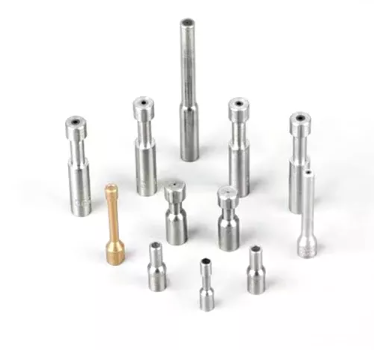
Shaped wire drawing dies are essential tools in the wire drawing process, where wire is pulled through the die to reduce its diameter and shape it into a specific cross-sectional profile. The die determines the final wire shape, whether flat, square, hexagonal, or other specialized forms. These dies are vital for achieving precise wire dimensions while maintaining consistent mechanical properties.
The primary role of these dies is to control wire diameter, profile, and finish. For instance, producing flat wire requires a die with a specific geometry that ensures the wire remains consistent in width and thickness, while a hexagonal die must accommodate precise angles. The shape of the wire is directly determined by the die design, which is why selecting the right die is essential for high-quality, functional wire products.
Shaped wire drawing dies are vital to industries that require wires with complex geometries and precise finishes. This includes industries like electronics, where precise wiring is crucial for circuit board manufacturing, and automotive, where durability and performance are key in wiring components.
Different industries require specific wire profiles for different applications. For example, in automotive manufacturing, wire for fasteners and connectors may need to have a hexagonal or square profile. Electronics may require flat wires for use in cables, while construction industries often use round wires or reinforcing bars. The material type (copper, aluminum, or steel) and wire thickness also play a significant role in selecting the right die.
Industry | Application | Wire Types |
Automotive | Fasteners, springs, electrical components | Copper, steel |
Electronics | Wires for connectors, cables, and microelectronics | Copper, aluminum |
Construction | Reinforcing bars, structural components | Steel, alloy wires |
Each application comes with its own set of performance requirements, including factors like strength, flexibility, and electrical conductivity. Understanding these requirements helps narrow down the best die material and shape for the application. The type of wire, its material, and its required strength or flexibility all influence the die choice.
Carbide is a widely used material for wire drawing dies due to its hardness, wear resistance, and affordability. Carbide dies are well-suited for applications that require durability and high-volume production. Some key benefits of carbide include:
● Hardness: Carbide is incredibly hard, making it resistant to wear and ideal for high-stress applications.
● Thermal Stability: It performs well under high temperatures, maintaining its properties during the drawing process.
● Cost-Effectiveness: Carbide is relatively affordable compared to PCD, making it a popular choice for general applications.
Carbide is particularly effective in high-volume applications such as automotive and industrial wire production. However, it may not offer the same level of precision as PCD in high-precision tasks. In applications requiring extremely tight tolerances, carbide may fall short.
Material | Advantages | Limitations |
Carbide | High durability, cost-effective, versatile for general use | May lack the precision required for fine tolerances, can be brittle under extreme conditions |
PCD (Polycrystalline Diamond) is known for its exceptional hardness, making it the material of choice for high-precision wire drawing. PCD dies offer several advantages, including:
● Superior Hardness: PCD is the hardest material available, providing excellent resistance to wear and extending die life.
● Precision: PCD is ideal for high-precision applications, ensuring that wire dimensions are within tight tolerances.
● Longevity: PCD dies last longer than carbide, reducing the need for frequent replacements.
PCD dies are best suited for applications where high precision and minimal wear are required, such as in the electronics or medical device industries. These industries rely on high-quality wires with extremely tight tolerances, where even the smallest deviation could affect the functionality of the final product.
Material | Advantages | Limitations |
PCD | Superior wear resistance, high precision, long lifespan | Expensive, requires specialized handling, brittle |
In addition to carbide and PCD, there are other materials used for shaped wire drawing dies, including steel alloys and hybrid dies. These materials often combine the best properties of carbide and PCD to provide a balance of affordability, durability, and precision.
● Steel Alloys are commonly used in wire drawing applications where the material doesn’t need to withstand extreme wear or high precision. These alloys are often more affordable than carbide and PCD dies, making them an attractive option for businesses with limited budgets or those in industries where cost-efficiency is paramount.
However, steel alloys do come with some trade-offs. While they are effective for less demanding wire drawing tasks, they may not offer the same level of performance or durability as carbide or PCD dies. Steel alloys are prone to wear more quickly under high-stress conditions, which can lead to higher maintenance costs and potentially reduce the lifespan of the die. For example, in industries like automotive or construction where wire volume is high but precision isn't as critical, steel alloys can be a suitable choice.
● Hybrid Dies combine two or more materials to capitalize on the strengths of each, offering a balance of cost, durability, and precision. For instance, hybrid dies might integrate carbide with PCD, combining carbide's affordability and durability with PCD's superior precision and wear resistance. This can be especially beneficial when manufacturers need to strike a balance between cost-effectiveness and high performance.
Hybrid dies are becoming increasingly popular because they allow for customized solutions that meet specific application requirements. For instance, in the manufacturing of wire for industries that require both high-volume production and high precision, hybrid dies can provide an optimal solution. These dies offer the cost-effectiveness of carbide and the precision of PCD, making them versatile for both medium-duty and high-precision tasks.
The choice of material depends on the specific application requirements, budget, and production scale.
Material | Performance | Longevity |
Carbide | Durable, good for medium-duty applications | Long-lasting, but not as long as PCD |
PCD | Superior precision, ideal for high-precision tasks | Extremely long-lasting |
● Carbide provides durability and performance in medium-to-high-volume applications, but PCD excels in high-precision tasks and offers significantly longer die life. For high-volume production, carbide may be the best choice, but for low-volume, high-precision tasks, PCD provides a better long-term solution.
Material | Cost | Suitability |
Carbide | Affordable | Ideal for high-volume production |
PCD | Expensive | Best for high-precision, low-volume applications |
● Carbide is more affordable upfront, making it suitable for high-volume production where cost-effectiveness is important. However, PCD comes with a higher initial cost but offers long-term savings due to its durability and minimal maintenance needs.
The precision requirements of the wire product play a significant role in choosing the right die material. PCD excels in applications where tight tolerances are required, ensuring that the wire remains consistent in size and shape. It is ideal for industries such as medical device manufacturing, where high-precision components are crucial. On the other hand, Carbide is suitable for general wire drawing applications where precision is important but not as critical.
Several factors in the wire drawing process, such as drawing speed, temperature, and pressure, influence die wear and material choice. High-speed drawing processes generate more heat, which can wear out dies faster. Therefore, selecting dies that can withstand specific temperature and pressure conditions is essential for maintaining wire quality and reducing die wear. Both carbide and PCD perform well under various conditions, but their wear resistance varies depending on the process.
Wire shape and profile are key factors when selecting shaped wire drawing dies. Different wire shapes, such as round, flat, or square, require specific die geometries. For example, producing flat wire may require more complex die designs compared to round wire. Understanding the required wire shape helps manufacturers select the appropriate die material and design to achieve the desired profile while maintaining precision.
Die durability is critical to maintaining consistent wire quality. Both carbide and PCD offer wear resistance, but PCD generally outperforms carbide in terms of longevity. Carbide is durable and works well for general applications, but PCD is more suited for applications that demand high precision and minimal wear over time.
Proper maintenance can significantly extend the lifespan of shaped wire drawing dies. Regular inspection, cleaning, and lubrication can help reduce wear and tear. Using coatings and treatments such as diamond-like carbon (DLC) or other hard coatings can further enhance the lifespan of dies, especially for PCD dies, which can be prone to damage in harsh conditions.
Choosing the appropriate die for different wire materials (e.g., copper, aluminum, steel) and thicknesses is essential for ensuring optimal performance. For example, copper wire may require a different die material than steel wire due to differences in hardness and flexibility. Understanding the specific wire material and application is key to selecting the right die.
Both carbide and PCD come with their own set of challenges. Carbide may be brittle under extreme pressure, while PCD is more expensive and requires specialized handling. Identifying the right die material based on the specific application can help overcome these drawbacks.
For high-volume production, carbide is often the most cost-effective option. However, if precision and longevity are more important than initial cost, PCD may be a better choice for low-volume, high-precision applications.
New materials and coatings are being developed to improve die performance and reduce wear. Hybrid dies that combine carbide and PCD materials offer a balance of durability and precision, providing a versatile solution for various applications. Additionally, 3D printing technology is making it easier to prototype and customize dies for specific production needs.
Automation and smart technologies are revolutionizing die selection and maintenance. AI-driven systems can monitor die performance, adjust drawing parameters, and optimize the wire drawing process in real-time. These advancements are improving efficiency and reducing downtime, leading to higher-quality wire products.
Choosing the right shaped wire drawing die requires careful consideration of factors like material properties, precision requirements, application type, and cost. Carbide is ideal for high-volume, medium-precision applications, while PCD is best for high-precision, low-volume tasks that demand minimal wear. Manufacturers should assess their production needs, considering the balance between cost, performance, and precision when selecting shaped wire drawing dies. For industries where precision and longevity are crucial, investing in PCD-shaped wire drawing dies can improve product quality and reduce maintenance costs over time.
Tip: If your production process requires high precision and long tool life, consider investing in PCD-shaped wire drawing dies from ModernDiamond. Our high-performance dies are designed to deliver exceptional results, reduce downtime, and improve overall wire quality. Get in touch with ModernDiamond today to optimize your wire drawing processes and take your production efficiency to the next level.
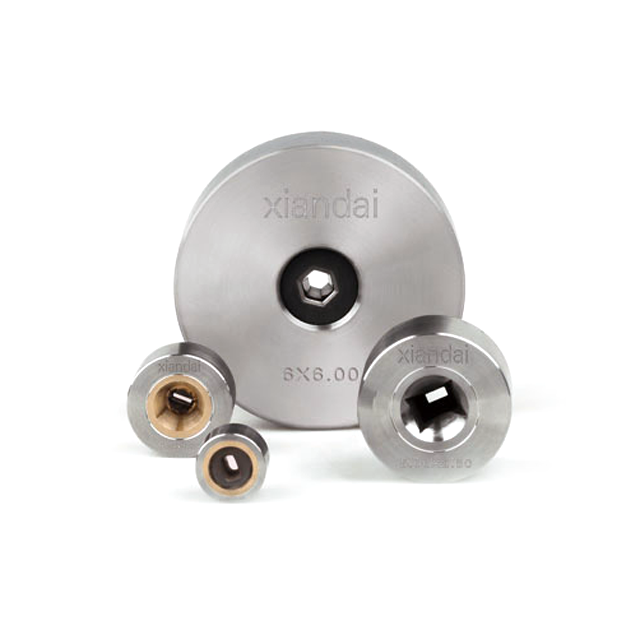
A: Shaped wire drawing dies are tools used to shape wire into specific profiles like flat, hexagonal, or square. They are essential for controlling wire dimensions and ensuring product quality in industries like automotive and electronics.
A: To choose the right shaped wire drawing dies, consider factors like material type (carbide vs PCD), precision requirements, production volume, and cost. Assess the wire material and profile needed for your specific application.
A: Carbide dies are durable and cost-effective, ideal for high-volume applications. PCD dies, on the other hand, offer superior precision and longevity, making them suitable for high-precision, low-volume production.
A: Precision is crucial to ensure the wire maintains consistent dimensions and mechanical properties. For applications requiring tight tolerances, PCD Shaped Wire Drawing Dies are ideal due to their superior accuracy.