Views: 0 Author: Site Editor Publish Time: 2026-01-19 Origin: Site
Have you ever faced issues with wire drawing that led to defective products and delays? Shaped wire drawing is a complex process that can lead to several challenges. In this article, we will explore the most common problems in shaped wire drawing and provide practical solutions to address them. You will learn how to overcome issues like die wear, material build-up, and inconsistent wire dimensions, helping you improve production efficiency and product quality.
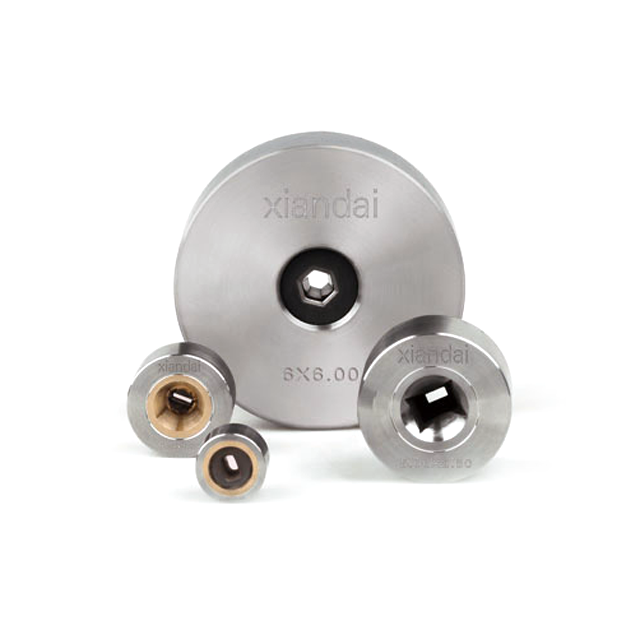
Problem Overview: One of the most frequent issues in shaped wire drawing is die wear. Continuous friction and pressure during the wire drawing process cause the die material to degrade over time. This wear negatively affects the wire’s dimensions and surface finish, leading to higher defect rates and compromised wire quality.
Causes: High-speed drawing, abrasive wire materials, and inadequate lubrication contribute significantly to die wear. The constant stress placed on the die leads to gradual degradation, reducing its performance. Dies made from low-quality materials may also experience higher wear rates.
Solution: To combat die wear, manufacturers should implement a regular maintenance schedule. Using high-quality, durable die materials such as PCD-shaped wire drawing dies can extend the lifespan of dies. Optimizing lubrication systems also reduces friction and improves die longevity. Additionally, investing in die coatings can offer enhanced protection from wear and tear.
Solution | Benefits |
Regular maintenance schedules | Reduces premature die wear and ensures consistent quality |
Use of PCD or carbide dies | Longer lifespan and better resistance to wear |
Optimized lubrication systems | Minimizes friction, extending die life and improving performance |
Tip: Regularly inspect dies for signs of wear and replace them promptly to avoid production delays and quality issues.
Problem Overview: Material build-up inside the die is another common issue. This build-up can affect the wire’s surface finish and impact the overall functionality of the die, leading to inconsistent results and poor-quality products.
Causes: Sticky or non-homogeneous materials such as copper or aluminum alloys are often to blame. As these materials pass through the die, they can leave residues that accumulate and obstruct the die's smooth operation. This build-up can lead to material inconsistencies in the final wire product.
Solution: Implement regular cleaning protocols to remove build-up and ensure the die remains free of blockages. Upgrading to smoother, more resistant die materials, like PCD, can also help reduce material build-up. Additionally, optimizing the drawing process to prevent excessive material accumulation can enhance die performance.
Solution | Benefits |
Regular cleaning | Ensures smooth die operation and consistent wire quality |
Upgrade to smoother materials | Reduces material build-up and improves die longevity |
Optimized drawing process | Prevents excessive accumulation and improves wire finish |
Problem Overview: Die cracking and breakage can occur due to sudden temperature changes or extreme pressure during the wire drawing process. This can lead to significant downtime and the need for costly replacements, severely disrupting production.
Causes: Poor die material choices, sudden temperature fluctuations, or improper handling often cause cracks and breaks in the die. Dies that are not designed to withstand high pressures and temperatures are especially prone to damage.
Solution: Using high-quality materials such as carbide or PCD for wire drawing dies can mitigate the risk of cracking and breakage. These materials are designed to withstand extreme conditions, extending the lifespan of the die. Implementing proper handling protocols and ensuring gradual heating and cooling of the die will help prevent damage.
Solution | Benefits |
Use high-quality carbide or PCD dies | Increased durability and resistance to temperature-induced cracking |
Gradual heating and cooling processes | Prevents thermal shock and die damage |
Tip: Consider investing in PCD-shaped wire drawing dies for improved durability and resistance to temperature-induced cracking.
Problem Overview: Inconsistent wire dimensions are a major issue in wire drawing. Uneven dimensions can lead to defects in the final product, requiring costly rework and reducing overall product quality.
Causes: Misalignment of the die, inconsistent drawing speeds, and variations in material hardness can all cause wire to be drawn unevenly, affecting its final dimensions.
Solution: Proper die alignment is critical to ensuring consistent wire dimensions. Drawing speeds should be adjusted and monitored regularly, and material hardness must be checked to ensure uniformity throughout the production run. Using high-quality shaped wire drawing dies that maintain their integrity under pressure will also help minimize dimensional inconsistencies.
Solution | Benefits |
Proper die alignment | Ensures uniform wire dimensions and minimizes defects |
Regular speed adjustments | Prevents drawing inconsistencies and improves precision |
Monitoring material consistency | Ensures uniformity throughout the wire drawing process |
Problem Overview: A poor surface finish on wire can result in defects such as roughness, scratches, or surface contamination, which can affect the wire's functionality and appearance.
Causes: Worn dies, improper lubrication, and defects in the wire material often lead to a poor surface finish. The die's condition significantly affects the final surface texture of the wire.
Solution: Regular maintenance of shaped wire drawing dies is essential to prevent surface defects. Implementing advanced lubrication systems can help reduce friction and improve the surface finish. In some cases, adding coatings to the dies can also enhance surface quality.
Solution | Benefits |
Regular maintenance of dies | Prevents surface defects and extends die life |
Advanced lubrication systems | Reduces friction and improves the final wire finish |
Die coatings | Enhances surface quality and extends die lifespan |
Problem Overview: Excessive drawing force can lead to wire breakage, die damage, and premature wear. When the drawing force is too high, it can cause wire deformation and result in production inefficiencies.
Causes: Incorrect die size, improper material hardness, or faulty machinery can lead to the application of excessive force during the drawing process.
Solution: It’s essential to use the correctly sized shaped wire drawing dies for each wire material. Regularly checking the pressure and tension applied during the drawing process ensures the right force is being used. Furthermore, conducting regular equipment inspections can help identify any mechanical issues causing excessive drawing force.
Solution | Benefits |
Use the correctly sized dies | Prevents excessive force and ensures proper wire dimensions |
Monitor pressure and tension | Reduces breakage and die damage |
Regular equipment inspections | Identifies and addresses issues that affect drawing force |
Problem Overview: Soft wire materials, such as copper and aluminum, can cause excessive wear on the die and lead to inconsistent results, as these materials tend to deform easily under pressure.
Causes: The soft nature of materials like copper and aluminum can lead to die wear, affecting precision during the drawing process. These materials may also struggle with maintaining dimensional consistency.
Solution: Using PCD-shaped wire drawing dies helps improve performance with soft materials by providing a harder surface and greater wear resistance. Adjusting drawing speeds can also help reduce the deformation of soft materials and maintain consistency.
Problem Overview: Abrasive wire materials, such as stainless steel or high-strength alloys, can quickly wear out the die, leading to reduced lifespan and poor wire quality.
Causes: Abrasive materials accelerate die wear and can cause the die to lose its precision, affecting the final wire product.
Solution: Opt for carbide or PCD dies, as these materials are designed to handle abrasive wire materials more effectively. Regular lubrication is essential to reduce wear and tear. Upgrading to higher-quality dies can significantly extend the die’s lifespan in abrasive environments.
Problem Overview: Misalignment of dies can lead to uneven drawing and produce defective wire products, which can waste material and require rework.
Causes: Poor installation, mechanical failure, or incorrect setup of the machine can result in misalignment.
Solution: Ensure proper installation and alignment of the die by using precision machinery. Regular machine inspections and calibration are necessary to avoid misalignment issues.
Problem Overview:
Variability in drawing speeds can cause defects such as stretching, warping, or uneven surface finishes on the wire. These inconsistencies lead to poor wire quality, which may require rework and cause production delays.Causes:
1. Faulty Speed Controls: Malfunctioning or outdated speed control systems can result in fluctuating drawing speeds.
2. Uneven Material Properties: Differences in material hardness or composition can cause the wire to respond differently during the drawing process.
3. Inconsistent Machine Operation: Mechanical failure, poor calibration, or wear on equipment can result in fluctuating speeds.
Solution:
To fix inconsistent drawing speeds, manufacturers should install accurate speed control systems, regularly calibrate equipment, and monitor the drawing speed throughout production. These steps will help maintain uniformity and prevent defects.
Solution | Benefits |
Accurate speed control systems | Ensure consistent wire dimensions and quality |
Regular calibration and maintenance | Reduces machine issues and enhances speed stability |
Tip: Regularly check for alignment and monitor speed settings to ensure consistent results.
In summary, addressing the common problems in shaped wire drawing involves regular maintenance, careful material selection, and precise machine calibration. By using high-quality shaped wire drawing dies, such as PCD and carbide dies, manufacturers can prevent issues like die wear, material build-up, and inconsistent wire dimensions. Manufacturers should invest in high-quality dies and implement a comprehensive maintenance schedule to prevent common issues. For applications requiring precision and longevity, PCD-shaped wire drawing dies offer superior performance. Regular inspections and optimized lubrication systems can further extend the lifespan of the dies, reducing production downtime and ensuring consistent product quality. At ModernDiamond, we are committed to providing the best dies for your wire drawing needs, ensuring optimal performance and longevity in your operations.
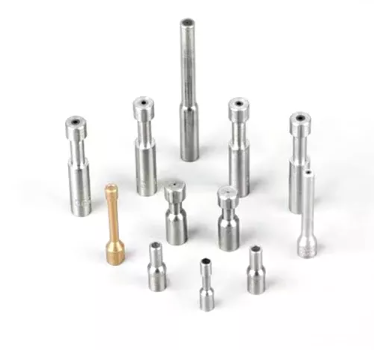
A: Shaped Wire Drawing Dies are tools used in the wire drawing process to create wires with specific cross-sectional shapes, such as flat, hexagonal, or square. They are crucial for ensuring precise wire dimensions, surface finishes, and optimal mechanical properties.
A: To prevent die wear, use high-quality materials like PCD or carbide for the dies, and ensure proper lubrication. Regular maintenance and cleaning of the dies also help extend their lifespan and improve overall performance.
A: Material build-up occurs when sticky or non-homogeneous materials accumulate inside the die. This can result in poor wire surface quality and reduced die efficiency. Regular cleaning and upgrading to smoother die materials can help mitigate this issue.
A: Carbide dies are cost-effective and durable, ideal for medium-duty applications. PCD dies, on the other hand, offer superior hardness, wear resistance, and precision, making them ideal for high-precision applications, especially in low-volume production.