Views: 0 Author: Site Editor Publish Time: 2026-01-12 Origin: Site
Which material is the best choice for shaped wire drawing dies: Carbide or PCD? The right material can significantly impact the quality of your wire. In this article, we’ll compare Carbide and PCD Shaped Wire Drawing Dies, examining their properties, advantages, and challenges. By the end, you’ll have a clear understanding of which material fits your manufacturing needs.
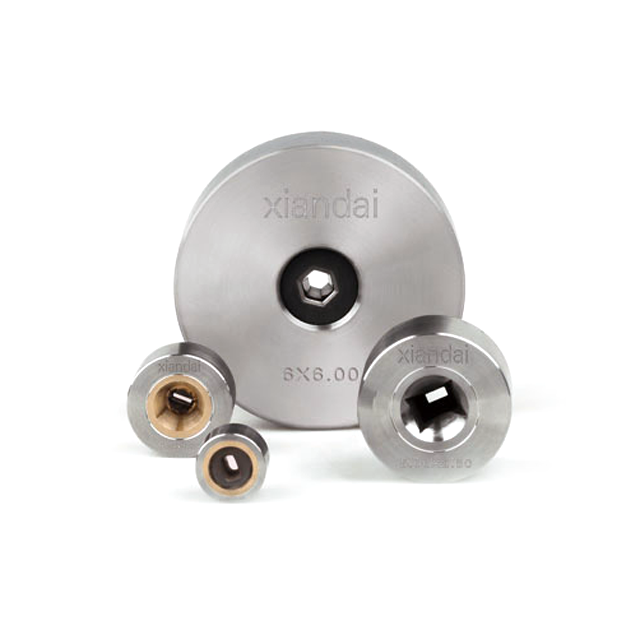
Shaped wire drawing dies are specialized tools used in the wire drawing process to create wire with specific cross-sectional profiles, such as flat, square, hexagonal, and other custom shapes. These dies control the dimensions of the wire as it is drawn through them, ensuring precision and consistency in the final product. Shaped wire drawing dies are crucial for industries that require wires with complex shapes or unique properties.
The wire drawing process involves pulling a wire through a die under tension, which reduces its diameter while shaping it into the desired profile. This process ensures that the wire retains the required mechanical properties while maintaining dimensional accuracy throughout the drawing process.
Shaped wire drawing dies are typically made from materials that can withstand high pressure, wear, and temperature. Carbide and PCD (Polycrystalline Diamond) are two of the most popular materials used in manufacturing shaped wire drawing dies.
● Carbide: Known for its hardness and wear resistance, carbide is widely used in wire drawing applications. It is a cost-effective option for medium-duty applications where precision and durability are important.
● PCD: PCD, or Polycrystalline Diamond, is the hardest material available, making it an excellent choice for high-precision and high-durability applications.
Both materials offer distinct advantages, but their choice depends on the specific needs of the wire drawing process.
Carbide is a composite material made from carbon and tungsten. It offers a combination of hardness, wear resistance, and thermal stability, which makes it a preferred choice for shaped wire drawing dies. Some key properties of carbide include:
● Hardness: Carbide is extremely hard, making it suitable for use in high-stress applications. It is significantly harder than steel and many other materials commonly used in manufacturing.
● Thermal Stability: Carbide can withstand high temperatures, which is particularly useful in wire drawing processes that generate heat due to friction.
● Wear Resistance: Carbide is resistant to abrasion, allowing the die to maintain its shape over a long period of use, even in high-volume production runs.
These properties make carbide an ideal material for wire drawing dies used in applications where durability and cost-effectiveness are critical.
● Cost-Effectiveness: One of the main benefits of carbide dies is their relatively low cost compared to more specialized materials like PCD. This makes carbide a great choice for manufacturers working on a budget or for high-volume applications.
● Durability: Carbide dies are durable and resistant to wear, making them suitable for medium-duty applications. They can withstand the pressure of high-volume production runs without requiring frequent replacement.
● Versatility: Carbide dies are versatile and can be used for a variety of wire shapes and materials, including copper, aluminum, and steel.
Carbide dies are particularly useful in industries that require robust and cost-effective solutions for medium-precision wire drawing.
Carbide-shaped wire drawing dies are used in a variety of industries, including:
Industry | Application | Wire Types |
Automotive | Fasteners, springs, electrical components | Copper, steel |
Electronics | Wires for connectors, cables, and microelectronics | Copper, aluminum |
Construction | Reinforcing bars, structural components | Steel, alloy wires |
Carbide is ideal for these applications due to its affordability, wear resistance, and ability to produce consistent wire shapes at high production rates. It is commonly used in high-volume industries where performance and cost-effectiveness are prioritized over ultra-precision.
PCD, or Polycrystalline Diamond, is composed of diamond particles bonded under high pressure. It is known for its exceptional hardness and wear resistance. Key properties of PCD include:
● Superior Hardness: PCD is the hardest material known, making it ideal for high-precision wire drawing applications where the highest levels of wear resistance are required.
● Wear Resistance: PCD dies last significantly longer than carbide dies, reducing downtime and replacement costs.
● Longevity: Due to its durability, PCD is particularly beneficial in applications where minimal wear is critical for maintaining wire quality and consistency over long periods.
PCD’s unique properties make it the material of choice for high-precision wire drawing applications, especially where long tool life and minimal wear are essential.
● Precision: PCD dies are ideal for producing wire with tight tolerances, making them perfect for high-precision applications such as microelectronics and medical devices.
● Extended Lifespan: PCD dies last much longer than carbide dies, which means fewer replacements and lower long-term operational costs despite the higher initial investment.
● Minimal Wear: Due to its hardness, PCD experiences minimal wear, ensuring that the drawing process remains consistent over time.
The durability of PCD dies translates into fewer downtime events and higher consistency in the final product, making them ideal for industries where precision and reliability are crucial.
PCD-shaped wire drawing dies are especially well-suited for high-precision and low-volume applications:
Industry | Application | Wire Types |
Medical Devices | Fine wire for surgical instruments and devices | Stainless steel, titanium |
Electronics | High-precision wire for connectors, circuits | Copper, aluminum |
Aerospace | High-performance wiring for aircraft components | Copper, high-strength alloys |
PCD is particularly advantageous in industries requiring extremely fine wires and tight tolerances, such as medical devices and aerospace.
Carbide provides good wear resistance, making it suitable for medium-duty applications. However, it tends to wear faster than PCD, especially in high-stress or high-precision environments.
PCD offers superior wear resistance, making it ideal for applications where minimal wear is essential for maintaining consistent wire quality. It also has an exceptionally long lifespan, outperforming Carbide in terms of durability.
Carbide is more affordable upfront, making it a cost-effective option for high-volume production where wear and replacement may not be as critical.
PCD, while more expensive initially, is highly suited for high-precision, low-volume applications. Its higher cost is balanced by its extended lifespan, which reduces the need for frequent replacements, offering long-term savings in maintenance and operational costs.
● Carbide: Best for applications that require durability and affordability but where extreme precision is not as critical. Ideal for industries like automotive and construction.
● PCD: Best suited for high-precision applications where minimal wear and maximum longevity are required, such as in medical devices and electronics.
The decision between carbide and PCD depends largely on the specific needs of the application, the desired precision, and the overall cost-effectiveness.
While carbide is highly durable and resistant to wear, it can become brittle under extreme conditions such as excessive pressure or high temperatures. This brittleness can lead to cracking, breaking, or even chipping of the die. In high-stress applications or where there are sudden changes in pressure, carbide dies may fail more easily compared to other materials like PCD. For example, if a die is exposed to thermal shock during production, it could crack, which would halt production and require costly replacements. To minimize the risk of damage, careful handling and transportation of carbide dies are essential, and special attention should be given to preventing sudden temperature changes or impacts during operation.
Carbide dies are suitable for many medium-duty applications but may not offer the precision required in high-precision tasks. In industries like electronics or medical device manufacturing, where extremely tight tolerances are critical, carbide may fall short. For instance, when producing microelectronic components or very fine wire for medical devices, carbide dies may struggle to provide the level of accuracy that PCD (Polycrystalline Diamond) can offer. This limitation means that carbide is less ideal for applications requiring minimal deviations in wire dimensions, and its use may be restricted in industries that rely on ultra-fine tolerances.
One of the most significant challenges with PCD-shaped wire drawing dies is their high cost. PCD dies are made from polycrystalline diamond, which is the hardest known material and requires a more complex manufacturing process. The price of the raw materials and the sophisticated production methods make PCD dies significantly more expensive than carbide dies. For many manufacturers, especially those in industries that rely on high-volume, low-cost production, the initial investment in PCD dies may not be justifiable. In particular, industries such as automotive manufacturing, where cost efficiency is critical, may find it challenging to justify the expense of PCD dies. While the longevity and performance of PCD dies can offset the initial cost, the high price point remains a major barrier for widespread adoption in cost-sensitive sectors.
PCD dies are more complex to handle and manufacture compared to carbide dies. Since PCD is made by sintering diamond particles under high pressure and temperature, it requires specialized equipment and expertise to manufacture. This complexity adds to the cost and production time of PCD-shaped wire drawing dies. Additionally, PCD materials are more delicate than carbide, making them harder to handle during both the manufacturing and operation processes. The precision required in the production of PCD dies adds further challenges—specialized tools and techniques are needed to shape the die, which can lead to longer production times and increased labor costs. Furthermore, during the drawing process, PCD dies are sensitive to improper handling or extreme conditions, which may cause breakage or failure if not carefully managed.
These factors contribute to the overall difficulty in producing and using PCD dies, especially for manufacturers with limited resources or those operating in high-volume production environments.
Summary: While Carbide shaped wire drawing dies are known for their durability and cost-effectiveness, they may be less suitable for high-precision applications due to their brittleness and limited accuracy. PCD dies, on the other hand, provide superior hardness and longevity but come with significant costs and complexities in both manufacturing and handling. Choosing the right die material depends largely on the specific requirements of the application, the production environment, and the available budget.
New materials, such as hybrid dies and advanced coatings, are being developed to combine the durability of carbide with the precision of PCD. These innovations aim to optimize wire drawing processes while providing a balance of cost-effectiveness and high performance.
For example, some manufacturers are experimenting with composite materials that incorporate both carbide and diamond particles, aiming to enhance wear resistance without compromising the die’s ability to withstand extreme pressure.
Automation and smart technology are transforming die manufacturing. Sensors and AI-driven systems can monitor die performance in real-time, allowing manufacturers to optimize wire drawing processes and reduce defects, leading to higher production efficiency.
These systems can analyze the wire drawing process and adjust parameters dynamically, resulting in better precision, reduced waste, and lower operational costs.
Both carbide and PCD offer distinct advantages for wire drawing applications. Carbide is cost-effective and highly durable, making it ideal for high-volume production runs, while PCD offers superior precision and longevity, making it perfect for high-precision, low-volume applications. As industries continue to demand higher performance, shaped wire drawing dies will evolve with advancements in materials and technology. Manufacturers should carefully assess their production needs, considering factors such as cost, application type, and desired performance, to select the best die material for their operations.
Tip: If precision and longevity are key requirements for your wire drawing application, consider investing in PCD-shaped wire drawing dies, as they offer exceptional wear resistance and extended tool life, ultimately improving product quality and reducing downtime. ModernDiamond provides high-performance PCD and carbide dies to help you meet these exacting standards, ensuring reliability and efficiency in your production processes.
A: Carbide and PCD are materials used for shaped wire drawing dies. Carbide offers durability and cost-effectiveness, while PCD provides superior precision and longevity, making it ideal for high-precision applications.
A: Carbide-shaped wire drawing dies are more affordable upfront compared to PCD dies. However, PCD offers long-term savings due to its extended lifespan and reduced need for replacements.
A: PCD-shaped wire drawing dies are better for high-precision applications as they offer exceptional wear resistance and maintain accuracy over extended periods, making them ideal for tight tolerances.
A: Carbide is cost-effective and durable, making it perfect for high-volume production runs where extreme precision isn't as critical. It's ideal for industries like automotive and construction.